



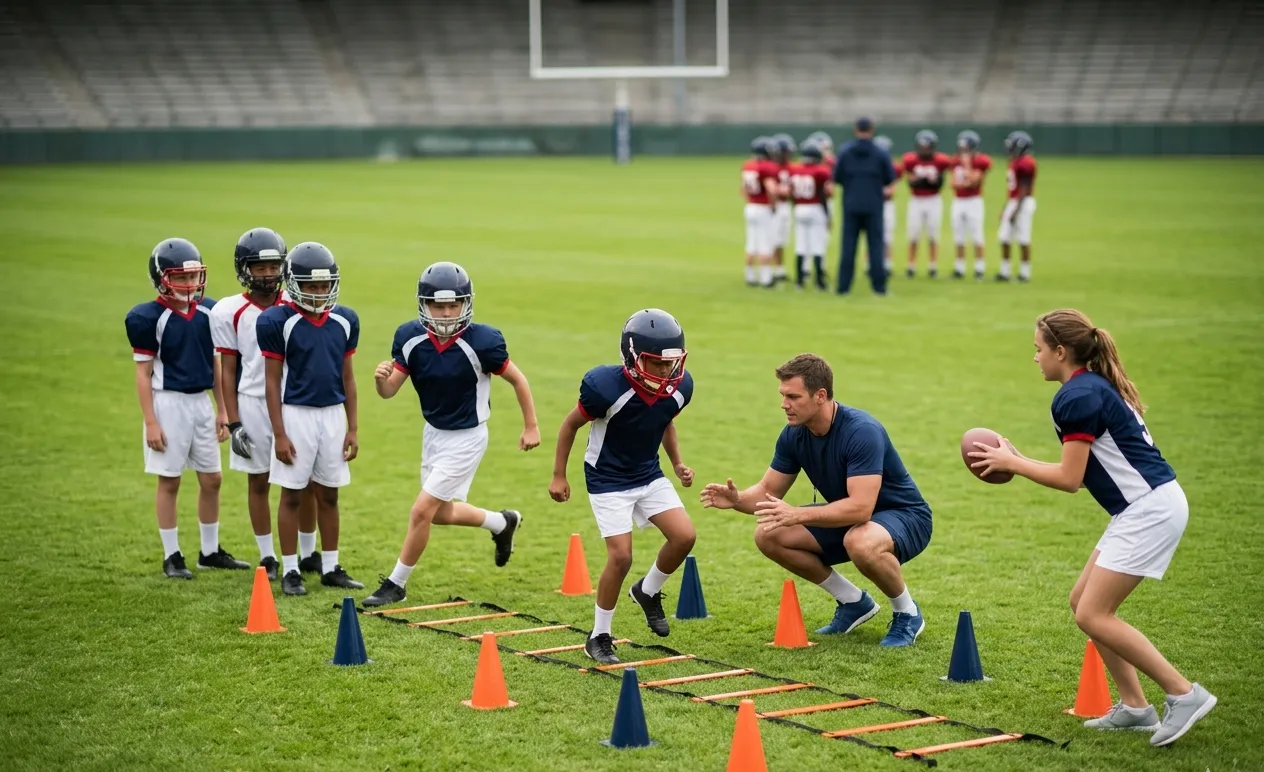
Football practice plans for beginners can make a huge difference during the first few weeks of training. Many new players struggle because practices feel confusing, too hard, or poorly organized. Parents and beginner coaches also face the same problem. They often do not know which drills to start with, how long practice should be, or how to keep young players focused and motivated.
I have seen beginner players improve much faster when practices stay simple and structured. Short drills, basic footwork, passing practice, and recovery days usually work better than long and exhausting sessions. In this guide, you will learn beginner-friendly football practice plans, weekly schedules, simple drills, and helpful tips that can build confidence and improve football skills step by step.
Football Practice Plans for beginners Quick Takeaways
- Keep football practice between 30–60 minutes
- Focus on fundamentals before advanced drills
- Practice 3–4 times per week
- Include warm-ups and recovery days
- Keep drills simple and game-like
- Build skills step by step
Who This Football Practice Plan Is Best For
- Beginner football players
- First-time youth coaches
- Parents helping kids train
- Middle school beginners
- Flag football beginners
Why a structured Football Practice Plan for beginners is needed?
Many beginners make the mistake of training without a plan. They do random drills and try advanced moves too early. This usually causes frustration.
A good football practice plan helps beginners:
- Learn skills in the correct order
- Build confidence
- Improve fitness safely
- Stay motivated
- Avoid burnout and injuries
- Stay focused during practice
- Build confidence step by step
Structured football training also helps players track progress week after week. It can also improve football IQ, reaction speed, and decision-making during games.
What Makes a Good Football Practice Plan for beginners?
The best football practice plans for beginners are simple and organized. Beginners do not need long and intense practices at first.
A good beginner football practice should include:
- Dynamic warm-up
- Footwork drills
- Passing and catching drills
- Agility work
- Conditioning
- Recovery time
- Fun and engaging drills
- Simple coaching instructions
Each part of practice should have a clear goal.
Dynamic Warm-Up

A warm-up prepares the body for movement. It also lowers the risk of injury.
A beginner football warm-up should last about 5 to 10 minutes.
Simple Warm-Up Routine
- Light jogging
- High knees
- Arm circles
- Butt kicks
- Side shuffles
- Lunges
- Quick sprints
Warm-ups help players move better during practice. Dynamic warm-ups are usually better than static stretching before football training because they prepare the body for movement. Short and active warm-ups also help younger players stay focused.
Individual Fundamentals
Football fundamentals are the base of every good player. Beginners should focus on these skills before learning advanced plays.
Passing Fundamentals
Passing drills help improve throwing accuracy and arm strength.
Simple passing drills for beginners:
- Short target throws
- Partner passing
- Moving target drills
- Wall passing drills
Keep throws short at first. Focus on accuracy before power. Beginner players improve faster when they focus on clean technique instead of throwing hard.
Catching Fundamentals

Catching is one of the most important football skills.
Good beginner catching drills include:
- Soft toss catches
- One-hand catches
- Over-the-shoulder catches
- Reaction catches
Players should keep their eyes on the ball and use soft hands.
Footwork Fundamentals

Quick footwork helps players move faster and change direction.
Simple football footwork drills:
- Ladder drills
- Cone zig-zag runs
- Side shuffle drills
- Quick step drills
Footwork training improves balance and speed. These drills also help beginners feel more confident during games.
Ball Carrier Skills
Ball security matters at every level.
Beginner players should practice:
- Holding the football correctly
- Running with balance
- Changing direction
- Protecting the football during contact
Group Fundamentals
After players learn basic skills, they can start group drills.
Group football drills help beginners work with teammates and understand spacing.
Blocking Skills
Blocking is important for both offense and defense.
Beginner blocking drills should focus on:
- Proper stance
- Hand placement
- Balance
- Controlled movement
Safety should always come first. Coaches and parents should teach blocking slowly and focus on correct movement before adding contact.
Tackling Skills
Safe tackling technique is very important.
Beginner tackling drills should teach:
- Head-up tackling
- Proper body position
- Balance through contact
- Safe shoulder contact
Players should learn tackling slowly before full-speed drills. Beginners should practice tackling under coach supervision and follow youth football safety rules.
Team Offense
Beginner offensive practice should stay simple.
Focus on:
- Basic formations
- Simple passing routes
- Running plays
- Communication
Players should understand their positions before learning complex plays. Beginners should also learn basic route timing, snap count communication, and spacing during offensive practice.
Team Defense
Defensive football practice teaches discipline and reaction.
Beginner defensive drills should include:
- Pursuit angles
- Defensive stance
- Zone movement
- Flag pulling or safe contact drills
Good defense starts with proper positioning. Defensive drills should stay simple so beginners can learn without feeling overwhelmed.
Special Teams
Special teams are often ignored during beginner football practice. Still, they are important.
Beginner players can practice:
- Punting basics
- Kick returns
- Catching kickoffs
- Field position awareness
These drills also improve reaction speed. Special teams drills can also make practice more fun for younger players.
Conditioning
Conditioning helps football players build endurance.
Beginners should avoid very hard conditioning at first.
Good football conditioning drills include:
- Short sprints
- Shuttle runs
- Cone drills
- Jump rope
- Bodyweight exercises
Conditioning should match the player’s age and fitness level. Beginner conditioning should focus more on movement quality, stamina, and safe progress instead of punishment-style running.
Practice Recommendations for Beginners
Young players do not need long practices every day.
Here are simple football practice recommendations:
- Practice 3 to 4 days per week
- Keep sessions between 30 and 60 minutes
- Take recovery days
- Drink enough water
- Focus on consistency
Short and focused practices work better than very long sessions. This is especially important for younger players with shorter attention spans.
Signs Beginner Football Practice Is Too Intense
- Players lose focus quickly
- Poor movement during drills
- Frustration during practice
- Frequent soreness
- Low energy levels
30-Minute Football Practice Plan for Beginners
A short football practice plan works well for younger players and beginners.
| Time | Activity |
|---|---|
| 5 Minutes | Dynamic warm-up |
| 10 Minutes | Footwork drills |
| 10 Minutes | Passing and catching |
| 5 Minutes | Conditioning |
This type of practice keeps beginners active without feeling overwhelmed. It is also a good option for busy parents and volunteer youth coaches.
60-Minute Football Practice Plan for Beginners
A longer football practice allows players to build more skills.
| Time | Activity |
|---|---|
| 10 Minutes | Warm-up |
| 15 Minutes | Footwork and agility |
| 15 Minutes | Passing and catching drills |
| 10 Minutes | Team offense or defense |
| 5 Minutes | Conditioning |
| 5 Minutes | Cool down |
This football training routine gives beginners balanced development. Younger players may need shorter drills and extra breaks during longer football practices.
Weekly Football Practice Schedule

A weekly football practice schedule helps beginners stay organized.
| Day | Focus |
|---|---|
| Monday | Footwork and agility |
| Tuesday | Passing and catching |
| Wednesday | Recovery or light stretching |
| Thursday | Defense and conditioning |
| Friday | Game simulation |
| Saturday | Optional skill work |
| Sunday | Rest |
Players improve faster when they train consistently. Beginners should also have at least one full recovery day every week. Recovery helps young athletes stay healthy and motivated.
| Skill | Beginner Level | This Week Progress |
|---|---|---|
| Passing Accuracy | Low | _____ |
| Catching | Medium | _____ |
| Footwork | Low | _____ |
| Speed | Medium | _____ |
At-Home Football Practice Plan

Many beginners want to practice football at home.
Home football drills can still improve important skills.
Simple at-home football drills include:
- Wall passing
- Cone footwork drills
- Sprint starts
- Reaction drills
- Jump rope
- Catching practice
Backyard football training is great for building confidence. Players can also practice reaction tennis-ball catches to improve hand-eye coordination. At-home football practice is useful for players who want extra reps outside team training.
Simple Beginner Football Practice Flow
Warm-Up → Footwork → Passing → Agility → Team Drills → Conditioning → Recovery
4-Week Beginner Football Progression Plan

A football progression plan helps beginners improve step by step.
Week 1: Movement and Stance
Focus on:
- Basic movement
- Proper stance
- Warm-up habits
Week 2: Passing and Catching
Focus on:
- Throwing accuracy
- Soft hands
- Ball tracking
Week 3: Speed and Agility
Focus on:
- Ladder drills
- Cone drills
- Sprint work
Week 4: Game Situations
Focus on:
- Team communication
- Reaction drills
- Simple football plays
Goals:
- Improve reaction speed
- Build confidence during game situations
- Improve catch consistency and movement control
This beginner football training plan helps players build skills safely.
Common Beginner Football Practice Mistakes
Many new players make the same mistakes.
Avoid these problems:
Skipping Warm-Ups
Cold muscles increase injury risk.
Practicing Too Long
Long practices can cause fatigue and burnout.
Ignoring Recovery
Rest days help the body improve.
Trying Advanced Drills Too Early
Master fundamentals first.
Ignoring Proper Football Stance
Poor stance can hurt balance, speed, and movement.
Poor Hydration
Players should drink water before, during, and after practice.
| Common Mistake | Better Approach |
|---|---|
| Long exhausting practices | Short focused sessions |
| Advanced drills too early | Master fundamentals first |
| Skipping warm-ups | Start with dynamic movement |
| Training every day | Add recovery days |
| Only conditioning | Balance skills and fitness |
How Long Should Football Practice Be for Beginners?
Football practice length depends on age and experience.
General guide:
- Ages 6 to 8: 30 to 45 minutes
- Ages 9 to 12: 45 to 60 minutes
- Middle school beginners: 60 to 90 minutes
Practice quality matters more than practice length. Younger football players usually perform better with shorter practices and more water breaks.
Checklist of football Practice Plans for Beginners
Beginner Football Practice Checklist
- Football
- Cleats
- Cones
- Water bottle
- Practice gloves
- Agility ladder
- Athletic clothes
Tips to Keep Beginner Football Players Motivated
Motivation is important for long-term improvement.
Here are simple ways to keep football fun:
- Celebrate small wins
- Rotate drills often
- Track weekly progress
- Keep practices positive
- Set realistic goals
Players learn faster when they enjoy training. Positive feedback and simple goals can help beginners stay motivated during the season.
Printable Football Practice Template
A football practice template helps coaches and players stay organized.
Your practice template should include:
- Warm-up section
- Skill drills
- Team drills
- Conditioning
- Recovery notes
A simple template saves time and improves focus. Organized football practice plans also help first-time coaches feel more confident during training sessions.
Save This Beginner Football Practice Plan
Save or print this football practice plan so players, parents, and coaches can follow the schedule easily during training sessions.
| Practice Section | Time | Focus Area | Notes |
|---|---|---|---|
| Warm-Up | _____ | Dynamic movement | ________________ |
| Footwork Drills | _____ | Agility and balance | ________________ |
| Passing & Catching | _____ | Ball skills | ________________ |
| Team Drills | _____ | Communication | ________________ |
| Conditioning | _____ | Fitness | ________________ |
| Cool Down | _____ | Recovery | ________________ |
Why Beginner Football Practice Should Stay Simple
Many beginners quit football because training feels confusing or too hard.
Simple football practice plans help players:
- Learn faster
- Build confidence
- Stay motivated
- Improve safely
- Enjoy the game more
Parents and coaches should focus on progress, effort, and consistency instead of perfection.
Conclusion
One thing that stands out in beginner football training is that simple practice plans usually work best. New players do not need advanced drills or very long workouts in the beginning. They improve faster when they focus on fundamentals, repeat basic movements, and follow a clear football practice schedule every week.
From youth football players to first-time coaches, the biggest improvements often come from consistency and patience. Players who train with organized football practice plans for beginners usually build more confidence, better movement, and stronger football fundamentals over time. Keep practices simple, stay consistent, and focus on steady progress instead of quick results.
