



f you play football, you may have noticed this problem. You can run fast in a straight line, but when it is time to cut, turn, or react, your speed drops. Your steps feel slow, you lose balance, and other players move past you. This is where football agility drills become important. This is a common issue, especially for beginners and youth players. Most players train speed, but they ignore agility, which is why their movement does not improve in real game situations.
I have seen this many times during training. Players work hard, but they do not focus on footwork and control. When they start using proper football agility drills, the change is clear. Their cuts become sharper, their reactions get faster, and they move with more confidence. In this guide, you will learn simple and effective drills that fix these problems and help you perform better on the field.
📌 Quick Takeaway: Football Agility Drills
- Train agility 2–3 times per week
- Start with ladder and cone drills if you are a beginner
- Focus on quick steps and balance, not just speed
- Add reaction drills as you improve
- Track progress using 5-10-5 shuttle time
What Are Football Agility Drills and Why They Matter
Agility drills are exercises that train your body to move quickly and change direction with control.
They focus on:
- Footwork
- Balance
- Speed
- Reaction
These skills are important for all positions in football. Coaches use these drills in both team practice and individual training.
Benefits of Football Agility Drills for Speed and Performance
Agility drills help players improve real game performance.
- Faster direction change
- Better body control
- Improved reaction time
- Stronger footwork
- Better movement during plays
Because of this, players who train agility move faster and react better on the field.
Key Components of Football Agility Training
To improve agility, players need to train these key components:
- Balance
- Coordination
- Reaction time
- Speed
Each drill in this guide helps build these skills step by step.
Types of Football Agility Drills
There are different types of agility drills. Each type improves a specific skill.
Cone Drills
Great for direction change and control. Best for beginners.
Ladder Drills
Improve foot speed and coordination. Easy to do at home.
Shuttle Drills
Help with quick stops and explosive movement.
Reaction Drills
Train players to react quickly during game situations.
Warm-Up Before Football Agility Drills

Before starting agility training, a proper warm-up is important.
- Light jogging (2–3 minutes)
- High knees
- Butt kicks
- Dynamic stretching
This helps prevent injury and improves performance.
Equipment Needed for Football Agility Drills
- Cones
- Agility ladder
- Reaction ball
- Stopwatch
You can also use simple markers at home.
| Goal | Best Drill | Skill Focus |
|---|---|---|
| Improve foot speed | Ladder drills | Quick feet |
| Change direction | 5-10-5 shuttle | Speed + control |
| Route running | Zig zag drill | Sharp cuts |
| Defense movement | Box drill | Balance |
| Reaction speed | Mirror drill | Awareness |
Best Football Agility Drills for Speed and Footwork
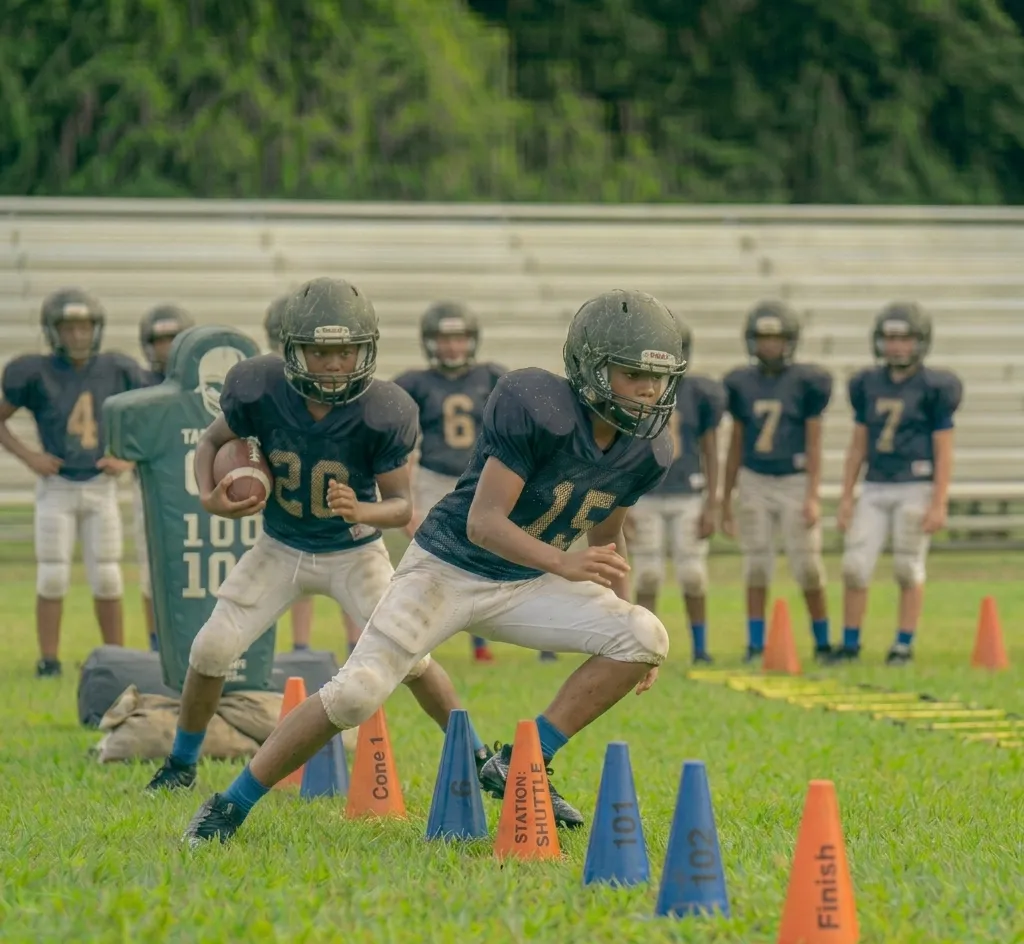
These drills are simple, effective, and used in real training.
1. 5-10-5 Shuttle Drill
Best for: Change of direction
Setup:
- 3 cones in a line (5 yards apart)
How to Perform:
- Start in the middle
- Run right, touch line
- Run left, touch line
- Finish at center
Tip: Stay low and move fast
2. T Drill
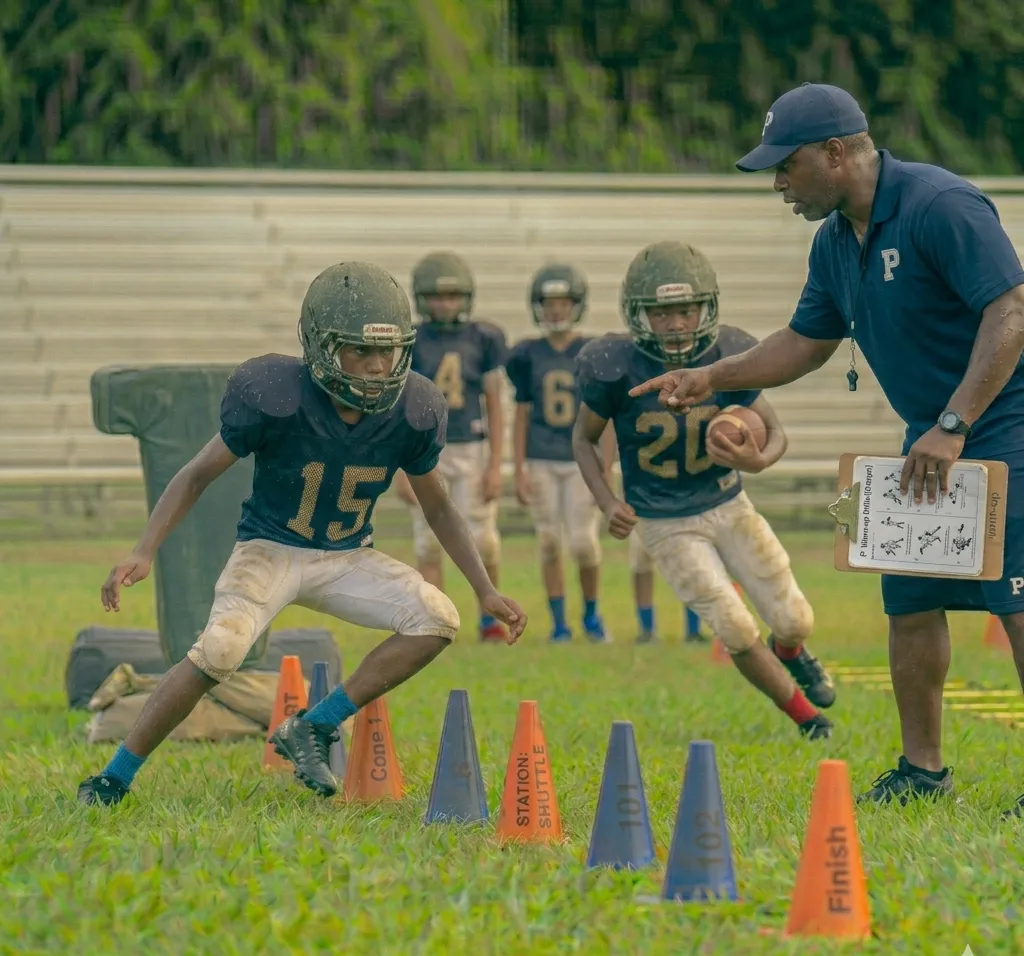
Best for: Multi-direction movement
Key Tip: Shuffle without crossing feet
3. L Drill (3 Cone Drill)
Best for: Footwork and turning
4. Zig Zag Drill
Best for: Wide receivers
5. Box Drill
Best for: Defense
6. Ladder Drill
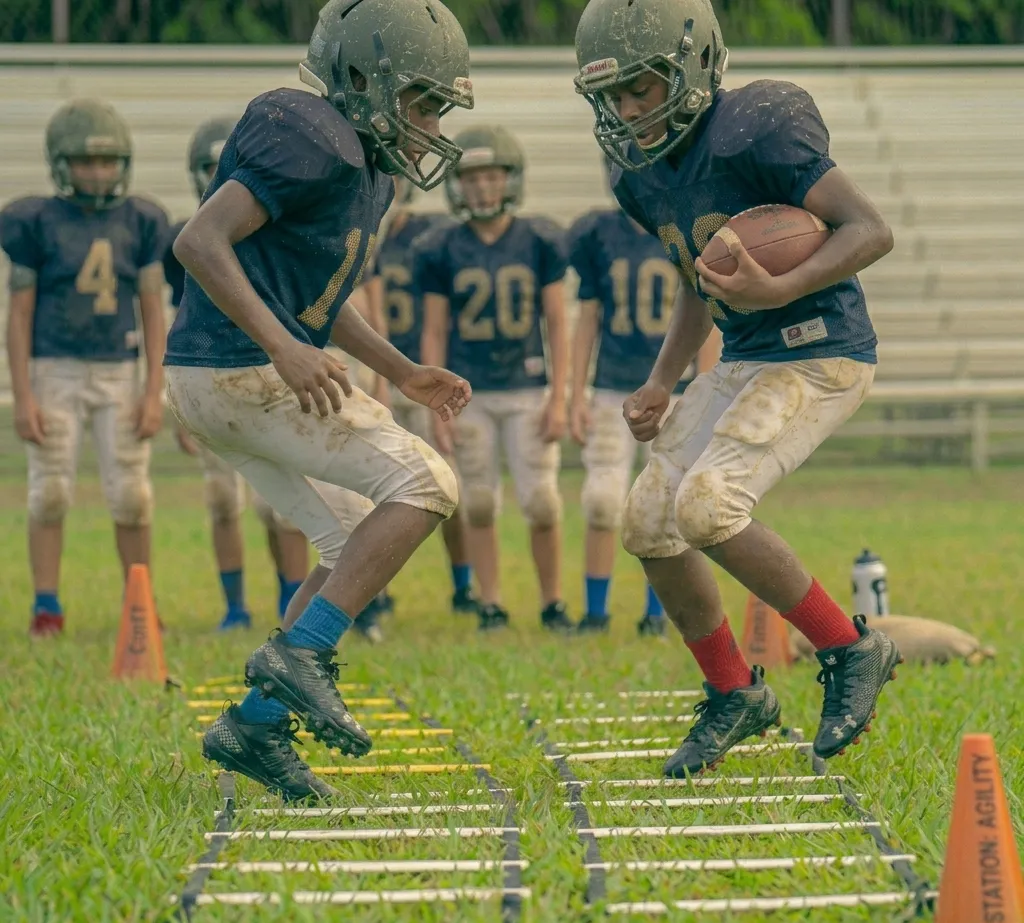
Best for: Foot speed
7. Mirror Drill
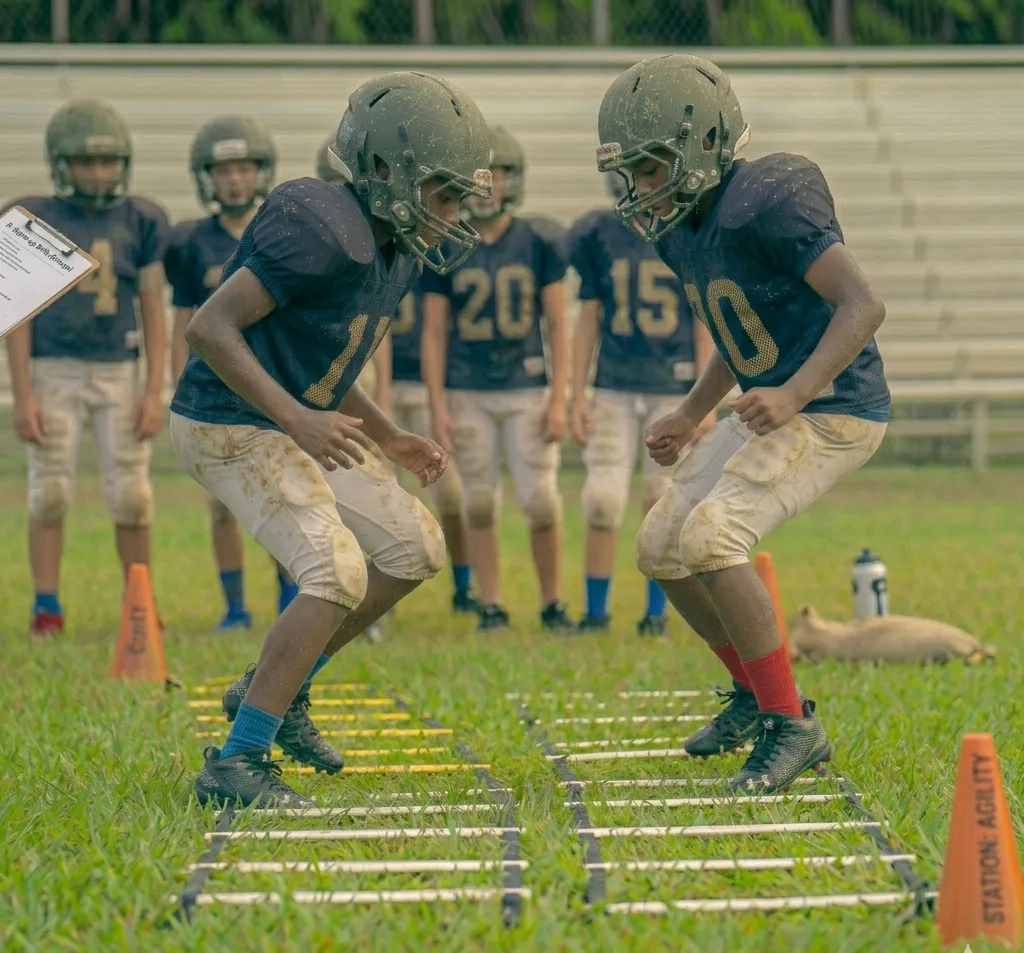
Best for: Reaction
8. Reaction Ball Drill
Best for: Quick response
Football Agility Drills by Position
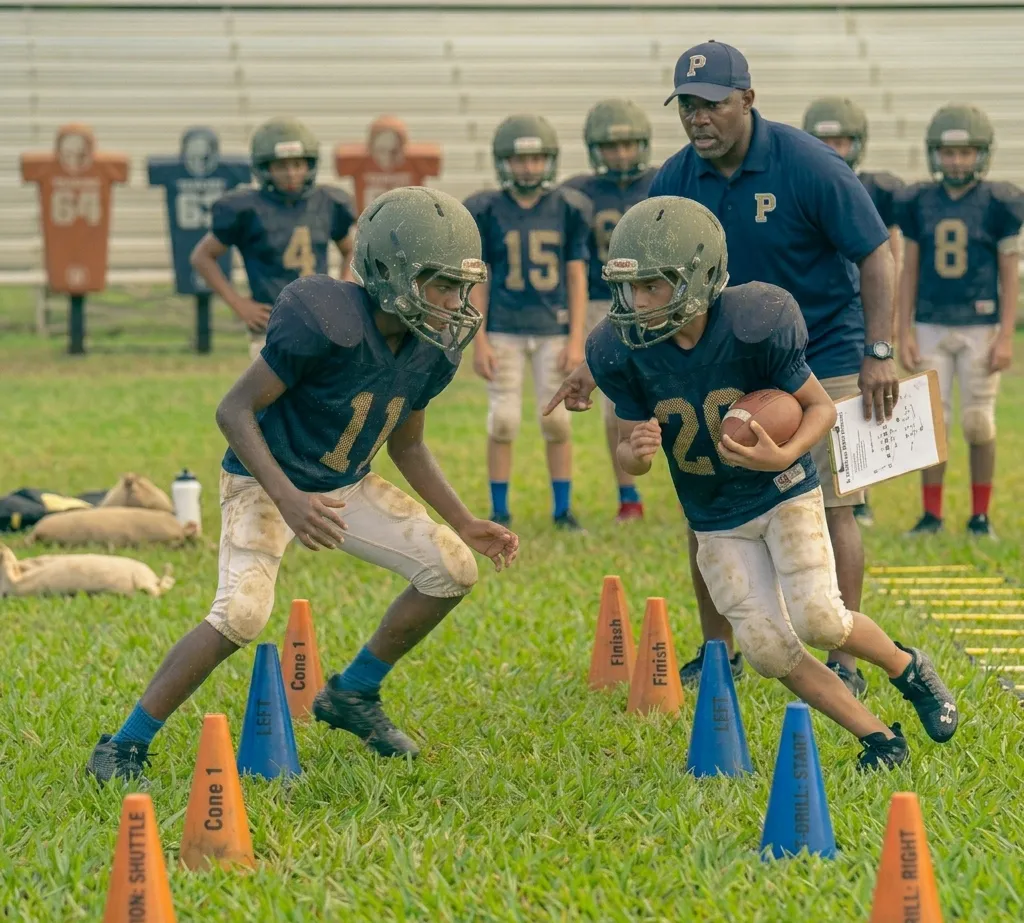
Wide Receivers
Zig zag + ladder drills
Running Backs
Shuttle + cone drills
Defensive Backs
Backpedal + mirror drills
Linebackers
Box + reaction drills
Beginner to Advanced Football Agility Progression
Beginner → Ladder + cone drills
Intermediate → Shuttle + zig zag drills
Advanced → Reaction + game-speed drills
Weekly Football Agility Training Plan
- Day 1: Ladder + cone drills
- Day 2: Shuttle + reaction drills
- Day 3: Game drills
Common Mistakes in Football Agility Drills (And How to Fix Them)
- Standing too upright → stay low
- Taking long steps → use short quick steps
- Skipping warm-up → always prepare first
- Losing balance → control your movement
How to Measure Improvement in Football Agility Drills
- 5-10-5 shuttle time
- 3 cone drill
- Reaction speed
Track progress weekly for better results.
Conclusion
Football agility drills are one of the most effective ways to improve real game performance, but only if you train them correctly. From experience, players who stay consistent with basic drills see the biggest improvement, while those who skip steps struggle to progress. If you focus on proper technique, repeat these drills regularly, and track your progress, you will notice better balance, quicker reactions, and sharper movement in games. Keep your training simple, stay consistent, and your agility will improve over time.
FAQs
How often should you do football agility drills?
You should do these drills 2 to 3 times per week to improve speed and reaction.
What are the best agility drills for beginners?
Ladder drills, cone drills, and shuttle drills are best for beginners.
Can you do agility drills at home?
Yes, you can use cones or simple markers at home.
Which football agility drill improves speed the most?
The 5-10-5 shuttle drill is very effective.
Are these drills good for youth players?
Yes, they are safe and improve coordination and movement.
Conclusion
Football agility drills are one of the most effective ways to improve real game performance, but only if you train them correctly. From experience, players who stay consistent with basic drills see the biggest improvement, while those who skip steps struggle to progress. If you focus on proper technique, repeat these drills regularly, and track your progress, you will notice better balance, quicker reactions, and sharper movement in games. Keep your training simple, stay consistent, and your agility will improve over time.
