


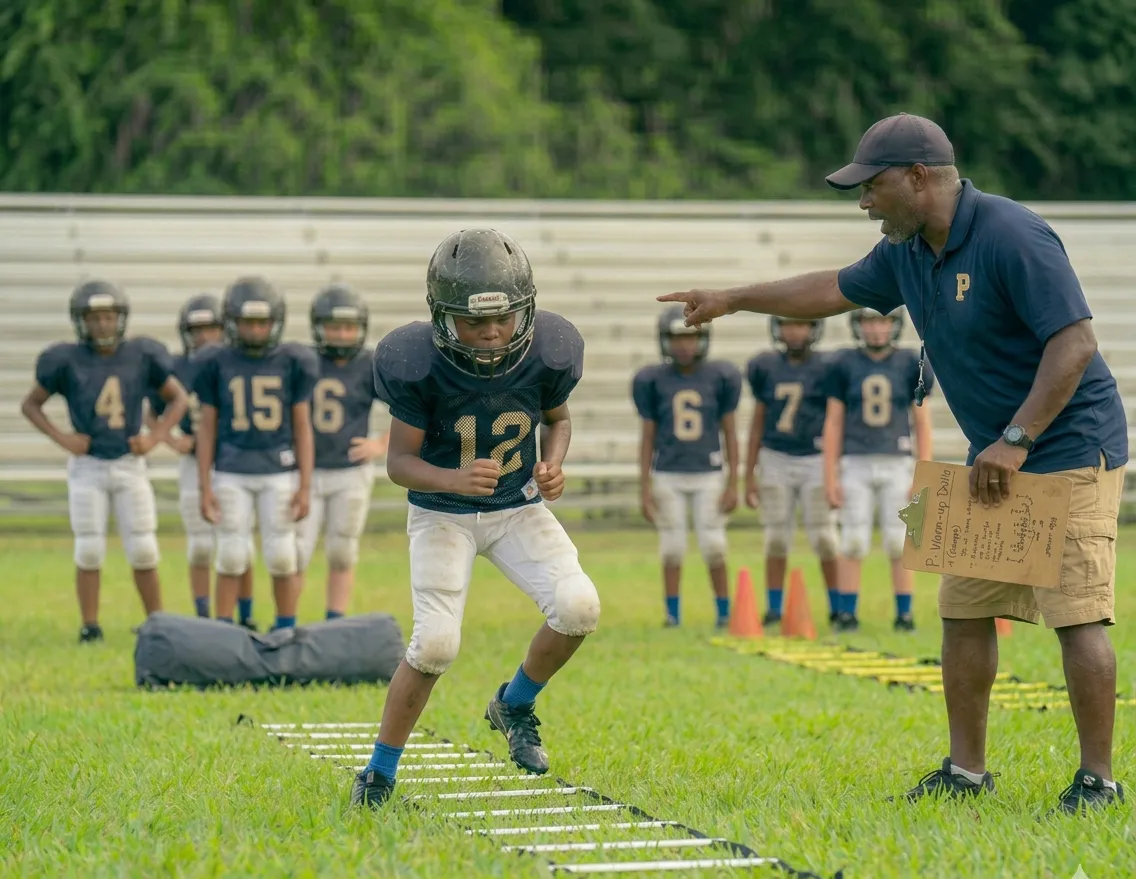
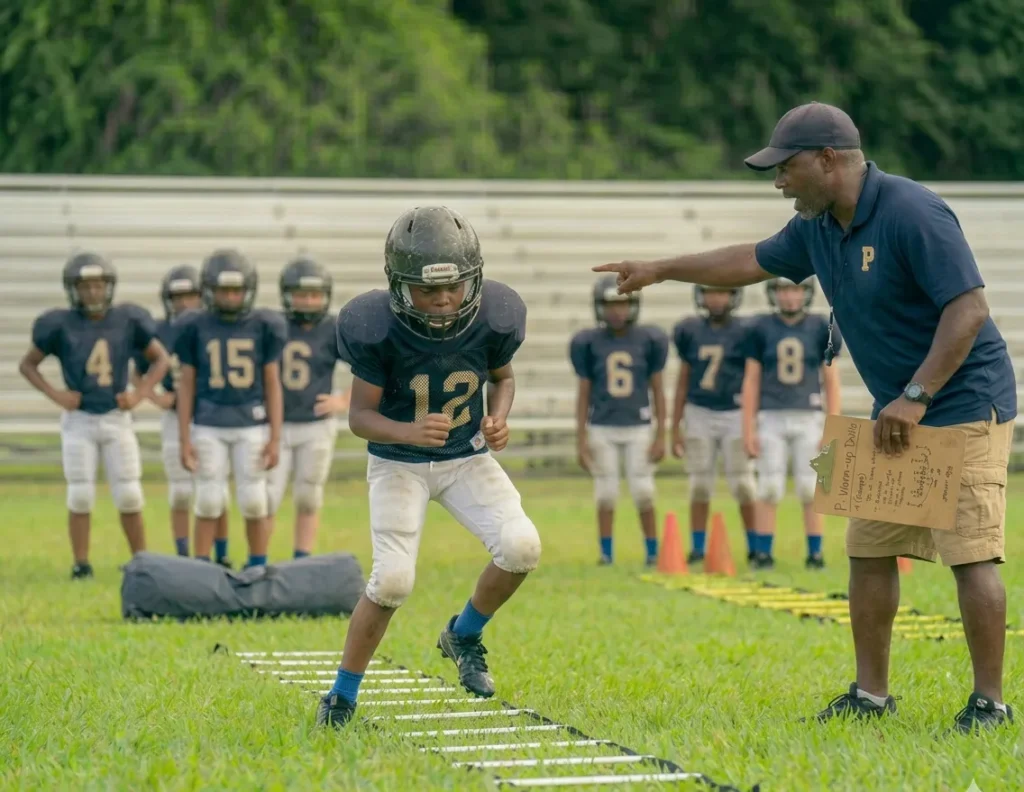
If you are searching for football speed and agility drills for beginners, you are likely facing a common problem. You try to run fast, but others move quicker. You try to change direction, but you lose balance or slow down too much. During drills, it can feel like your feet are not doing what you want. This is normal for beginners, and many players struggle at this stage.
The good news is that speed and agility are skills you can build with practice. You do not need anything complex to start. With the right drills and a simple plan, you can improve step by step. In this guide, you will learn easy drills that help you move better, react faster, and feel more confident on the field.
Quick Takeaways
- Start slow and focus on control
- Train 3–4 times per week
- Use simple drills like cones and ladder
- Keep your body low while moving
- Stay consistent to see results
Start Here If You Are a Complete Beginner
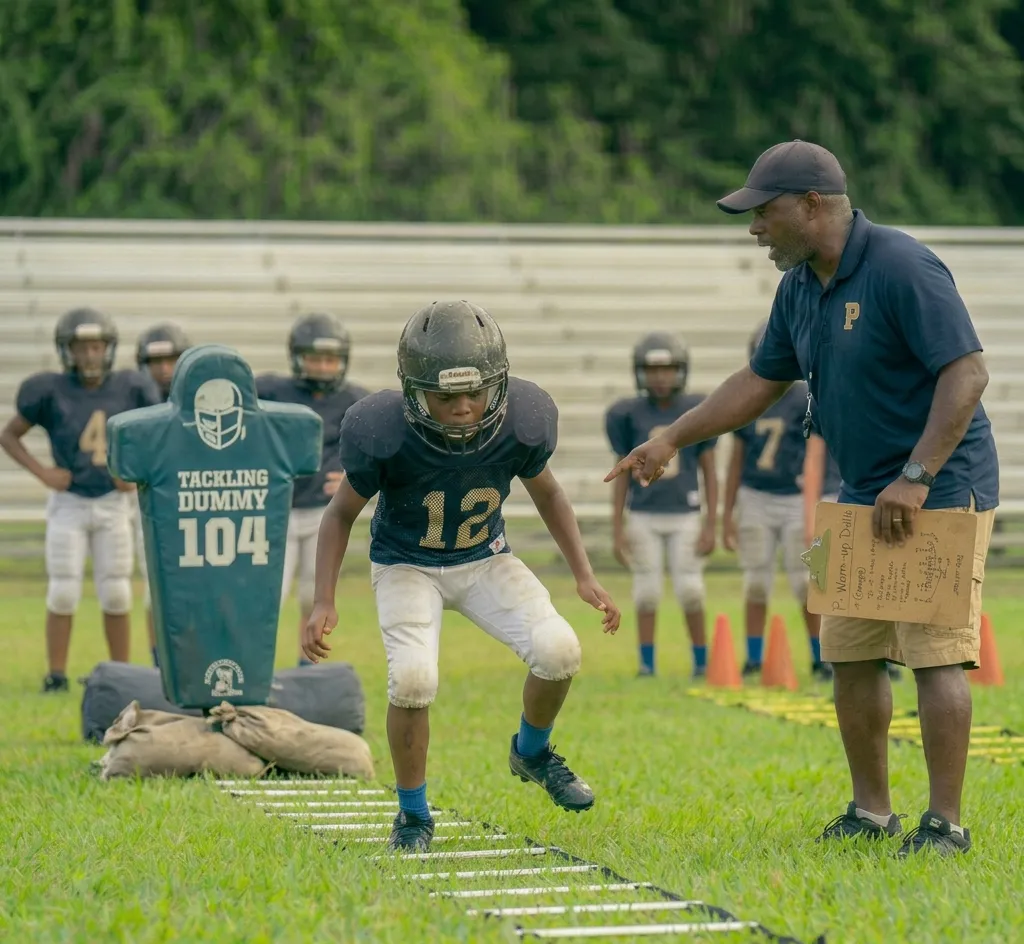
If you are just starting, keep things simple.
- Move slowly first
- Focus on balance and control
- Do fewer drills but do them correctly
Most beginners try to go too fast. This slows progress. You will improve faster if you stay patient and focus on form.
mportance of Football Speed and Agility Drills for Beginners
Speed and agility drills help you move better during a game.
They improve:
- Balance
- Quick feet
- Body control
Football is not just about running straight. Players stop, turn, and react quickly. That is why training these skills is very important.
Key Components of Agility
To improve agility, focus on these basics.
Balance
Stay stable while moving.
Coordination
Your body parts must work together.
Reaction Time
React quickly during plays.
Body Control
Change direction without losing control.
These are the base skills every beginner needs.
Supplies Needed
You do not need much equipment.
- Cones
- Ladder
- Open space
You can also train at home using simple markers.
Warm-Up Exercises
Always warm up before drills.
- Light jogging (2 minutes)
- High knees (30 seconds)
- Butt kicks (30 seconds)
- Arm swings (30 seconds)
This helps prevent injury and improves movement.
Football Speed Drills for Beginners
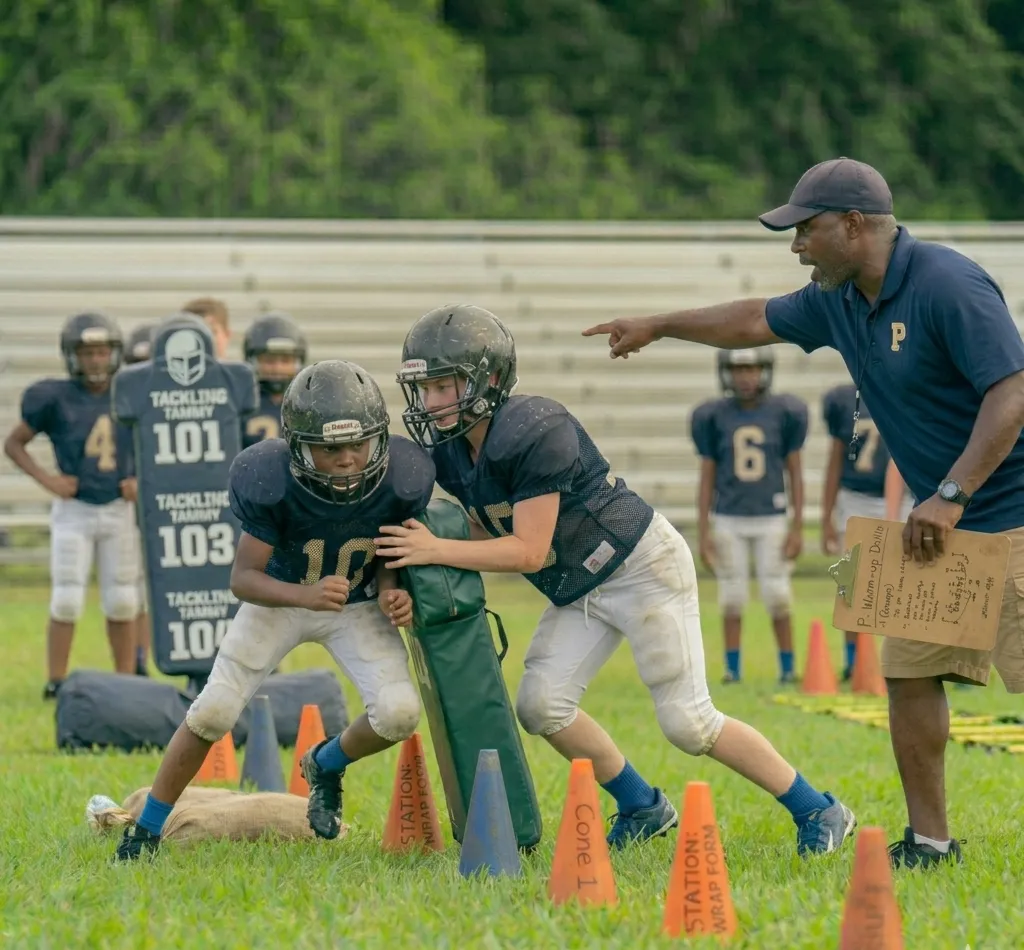
These drills help you run faster.
Short Sprints
- Sprint 10–20 yards
- Rest and repeat
Helps improve acceleration during plays.
High Knees
- Run in place
- Lift knees high
Builds speed and rhythm.
Football Agility Drills for Beginners
Start with these simple drills.
Ladder Drills
- Step in each box
- Keep feet light
Helps with quick foot movement.
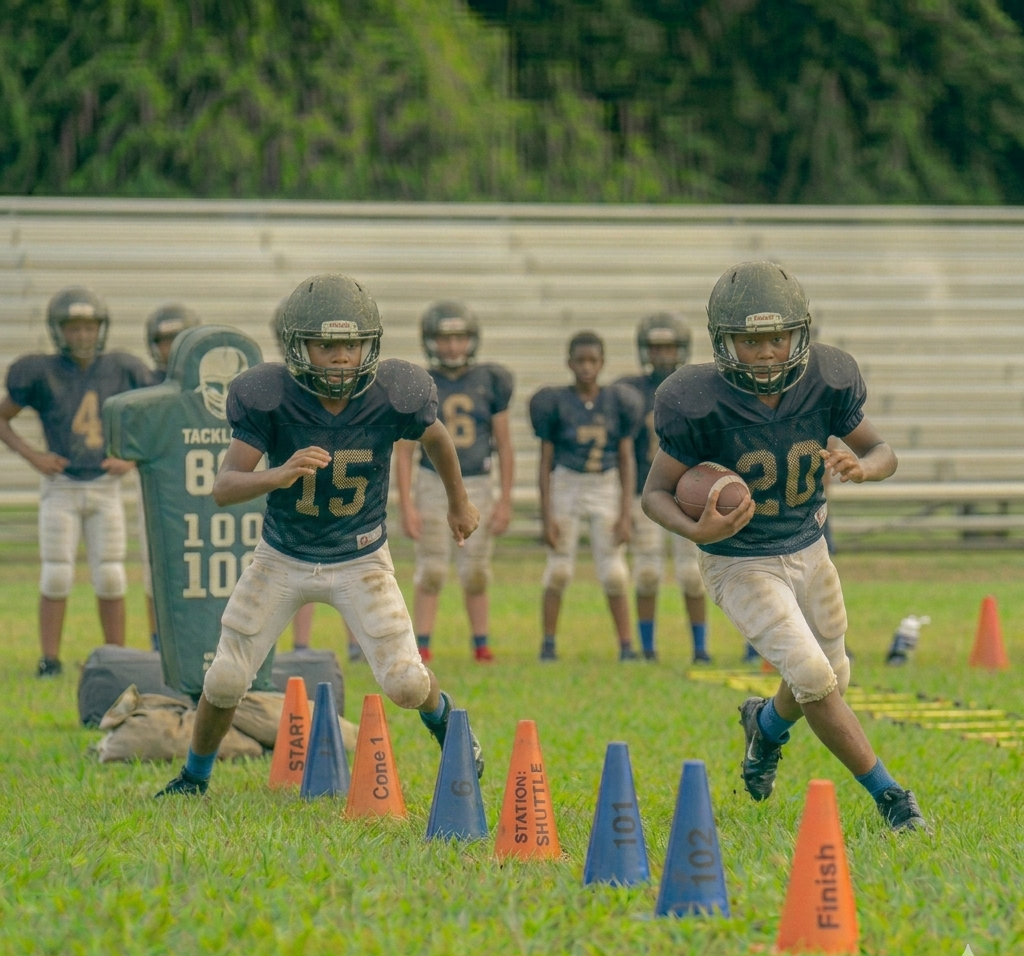
Cone Drills

- Run around cones
- Change direction
Helps with sharp cuts in games.
Shuttle Runs

- Run 5–10 yards
- Turn and return
Builds speed and control.
T Drill
- Sprint, shuffle, backpedal
Improves multi-direction movement.
5-10-5 Drill
- Run short distances
- Change direction fast
Used by coaches to test agility.
Zig-Zag Drill
- Run through cones
- Cut at each point
Helps with fast direction changes.
Foot Fire Drill
- Move feet quickly in place
👉 Builds quick reaction speed.
| Drill | Focus | Use |
|---|---|---|
| Ladder | Foot speed | WR, RB |
| Cone | Direction | All |
| Shuttle | Speed | RB, DB |
| T Drill | Movement | Defense |
No Equipment Football Drills for Beginners

You can train at home.
- Sprint in place
- Line footwork
- Side shuffles
These are simple and effective.
Speed & Agility Workout Routine
15-minute plan:
- 5 min warm-up
- 5 min speed drills
- 5 min agility drills
Keep it simple and repeat regularly.
Weekly Training Plan for Beginners
- Day 1: Speed
- Day 2: Agility
- Day 3: Rest
- Day 4: Mixed
- Day 5: Repeat
Train 3–4 days each week.
Common Mistakes
- Standing upright
- Long steps
- Looking down
- Moving too slow
Fix these early.
Measuring Improvement
- Track time
- Count reps
- Check control
Small progress matters.
Beginner Training Checklist
- Warm up before training
- Pick 2–3 drills
- Focus on form
- Train 3 times a week
- Track progress
Conclusion
Improving speed and agility in football takes time, but beginners can make strong progress by staying consistent and focusing on simple drills. From experience, players improve faster when they practice regularly, follow a basic plan, and avoid rushing. You do not need expensive equipment or advanced training to get better. If you stay patient and keep practicing, you will start to see real improvement in your movement, control, and confidence on the field.
FAQs
What are the best football speed and agility drills for beginners?
The best football speed and agility drills for beginners include ladder drills, cone drills, shuttle runs, and the 5-10-5 drill. These drills help improve foot speed, balance, and quick direction changes. Beginners should start slow and focus on proper form.
How can beginners improve speed in football quickly?
Beginners can improve speed by practicing short sprints, high knees, and shuttle runs. Training 3–4 times per week and staying consistent helps improve speed over time. Focus on quick starts and proper running form.
Can I do football agility drills at home without equipment?
Yes, you can do football agility drills at home without equipment. You can use simple drills like line footwork, side shuffles, and sprinting in place. These drills are effective for beginners and require very little space.
How often should I do football speed and agility drills?
Beginners should train 3 to 4 times per week. This allows enough practice while giving your body time to recover. Regular training helps build speed and agility faster.
How long does it take to improve speed and agility in football?
Most beginners start seeing improvement in a few weeks. With consistent practice and proper drills, speed and agility continue to improve over time.
What is the difference between speed and agility in football?
Speed is how fast you can run in a straight line. Agility is how quickly you can change direction and react during a play. Both are important for football performance.
Do beginners need equipment for speed and agility drills?
No, beginners do not need equipment to start. While cones and ladders can help, you can still improve using simple bodyweight drills and open space.
