



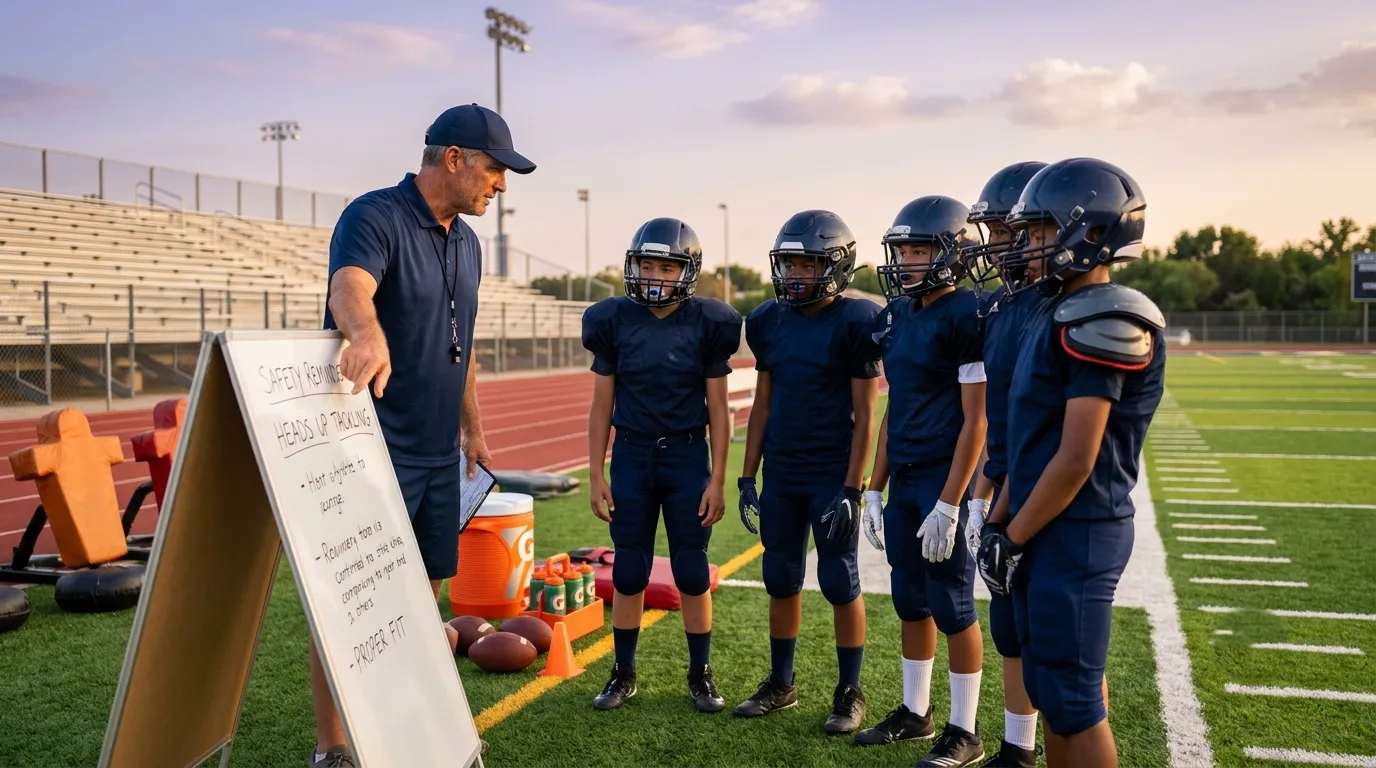
Introduction
Football is one of the most exciting sports to play, but it also requires preparation, good technique, and smart decisions to stay safe. Whether you are stepping onto the field for the first time, coaching a beginner, or helping your child start youth football, following the right football safety guidelines for beginners can reduce the risk of preventable injuries and build confidence from the very first practice. Many new players make the same mistakes. They skip warm-ups, wear protective equipment that does not fit correctly, ignore hydration, or try advanced drills before mastering the basics. These habits can increase the risk of common injuries such as muscle strains, ankle sprains, concussions, and heat-related illnesses. Safe football training is not about avoiding challenges. It is about learning the game step by step, using proper technique, practicing with qualified coaches, and building strong player safety habits that last throughout the season.
The recommendations in this guide are based on player safety guidance from trusted organizations, including USA Football, Centers for Disease Control and Prevention, National Athletic Trainers’ Association, and American Academy of Pediatrics. You will learn how to choose and wear football equipment correctly, prepare for practice, stay hydrated, recognize warning signs of injury, practice safely in different weather conditions, and develop healthy training habits that support long-term player development. By following these football safety guidelines for beginners, you can enjoy the game, improve your skills, and create a safer football practice environment from day one.
📘 What Are Football Safety Guidelines?
Football safety guidelines are recommended practices that help players reduce preventable injuries before, during, and after football practice. They include wearing properly fitted protective equipment, using proper technique, staying hydrated, completing a dynamic warm-up, recovering properly, and following qualified coaching to create a safer training environment.
👥 Who Is This Guide For?
This guide is helpful for anyone who wants to learn or teach safe football training, including:
- 🏈 Beginner football players learning the fundamentals
- 👨👩👧 Parents helping children start youth football
- 🎯 Youth football coaches teaching safe practice habits
- 🏫 Physical education teachers introducing football skills
- 🤝 Volunteers and assistant coaches leading beginner practice sessions
Why Football Safety Matters for Beginners
Every football player starts somewhere. In the beginning, learning the right habits is just as important as learning how to throw, catch, or tackle. Good safety habits help beginners build confidence, improve their skills, and reduce the risk of preventable injuries during practice.
New players often get excited and want to do everything at full speed. That excitement is great, but rushing into drills without proper preparation can lead to avoidable mistakes. Learning the basics first gives players a stronger foundation for long-term success.
Football is a contact sport, so bumps and bruises can happen. However, many common injuries are linked to factors that players can control, such as poor technique, skipping warm-ups, using equipment that does not fit, training when tired, or practicing in extreme heat. Safe football training starts long before contact drills begin. Learning football fundamentals, using proper body mechanics, and following age-appropriate training help beginners build skills while reducing unnecessary injury risk. Following simple safety guidelines before, during, and after practice can make football safer and more enjoyable.
Safety is also a team effort. Players need to listen to their coaches, coaches need to teach proper techniques, and parents should support healthy habits before and after practice. When everyone works together, practices become more productive and enjoyable.
Organizations such as USA Football encourage coaches to teach skills through age-appropriate progressions instead of rushing players into advanced contact. Likewise, the Centers for Disease Control and Prevention (CDC) recommends recognizing concussion symptoms early and removing athletes from play if a head injury is suspected. These steps help create a safer environment for players of all ages.
The goal of football safety is not to make the game less competitive. It is to help players practice smarter, stay healthier, and keep improving throughout the season.
Essential Football Safety Guidelines Every Beginner Should Follow
Good football habits start before the first drill and continue after practice ends. These football safety guidelines help beginners reduce unnecessary risks while building confidence on the field.
Before we look at each guideline in detail, use this quick checklist to understand the key habits every beginner should follow before, during, and after football practice.
| Before Practice | During Practice | After Practice |
|---|---|---|
| Wear properly fitted protective equipment | Listen to your coach | Cool down after training |
| Complete a dynamic warm-up | Stay hydrated | Stretch your muscles |
| Check the practice field | Use proper technique | Eat a balanced meal |
| Dress for the weather | Report pain or dizziness immediately | Rehydrate |
| Bring your mouthguard and water bottle | Avoid unnecessary contact | Get enough sleep |
Wear Properly Fitted Protective Equipment
The right equipment is your first line of defense. It cannot prevent every injury, but it can reduce the risk of many common impacts.
Before every practice, check that your equipment fits correctly and is in good condition. Loose or damaged gear may not provide the protection you expect.
A beginner’s basic football equipment should include:
- A properly fitted helmet
- A securely fastened chin strap
- Shoulder pads that fit your body
- A mouthguard
- Football cleats that match the playing surface
- Any league-required protective gear
A helmet should never move freely when you shake your head. If it feels loose or uncomfortable, ask your coach or equipment manager to adjust it before practice.
Tip: Never borrow a helmet that has not been fitted to you.
Inspect the Practice Field Before You Start

Even the best equipment cannot protect players from unsafe playing conditions.
Take a minute to look around the practice area before drills begin. Watch for:
- Holes or uneven ground
- Wet or slippery spots
- Loose equipment
- Rocks, glass, or other debris
- Poorly secured goalposts or training equipment
A quick field check can prevent trips, falls, and ankle injuries.
Never Skip Your Warm-Up

Many beginners want to grab a football and start running routes right away. Your muscles may have other plans.
A proper warm-up increases blood flow, prepares your body for movement, and helps improve flexibility before practice.
Instead of jumping straight into high-speed drills, begin with light movement and dynamic exercises.
If you need a complete routine, follow our Football Warm-Up Drills Before Practice guide for step-by-step exercises.
Stay Hydrated Before, During, and After Practice
Your body loses water every time you sweat. Even mild dehydration can affect focus, reaction time, and physical performance.
Drink water throughout the day instead of waiting until you feel thirsty. During longer practices or hot weather, take regular hydration breaks whenever your coach allows them.
If practice lasts a long time or takes place in high heat, your coach may also recommend sports drinks to replace lost electrolytes.
Dress for the Weather
Weather conditions can change how your body responds during practice.
On hot days:
- Wear lightweight practice clothing.
- Take shade breaks when possible.
- Watch for signs of heat illness, such as dizziness, nausea, or heavy fatigue.
On cold days:
- Wear layers that allow you to move comfortably.
- Keep muscles warm between drills.
- Replace wet clothing after practice if needed.
Training safely sometimes means adjusting your workout instead of pushing through difficult conditions.
Learn Proper Technique Before Adding Speed or Contact
Trying advanced drills too early often leads to poor habits.
Focus on learning the correct movement first. Once your technique becomes consistent, gradually increase your speed and intensity.
Whether you are blocking, catching, running routes, or tackling, good form should always come before maximum effort.
As many coaches like to say:
Slow is smooth. Smooth becomes fast.
That approach helps beginners improve while lowering the risk of avoidable injuries.
Coach’s Tip
🏈 Coach’s Tip:
Many beginners believe practicing harder always leads to faster improvement. In reality, good football players focus on mastering proper technique before increasing speed or contact. Build the movement correctly first, then add intensity. This approach helps improve performance while lowering the risk of preventable injuries.
Listen to Your Coach and Follow Practice Instructions
A football coach does much more than call plays. Coaches organize practices, teach proper technique, and help create a safe learning environment for every player.
Pay close attention during demonstrations before starting a drill. If you are unsure how to perform a movement, ask questions instead of guessing. A few seconds of clarification can prevent mistakes that may lead to injury.
It is also important to wait for your coach’s signal before starting contact drills. Beginning too early or practicing without supervision increases the chance of collisions and other avoidable accidents.
Learning at the right pace is part of becoming a better football player. Gradual skill progression helps beginners build confidence, improve consistency, and stay safe throughout football practice.
Know the Signs of a Concussion
A concussion is a type of brain injury that can happen after a blow to the head or body. Even a mild hit can cause symptoms, so players should never ignore them.
According to Centers for Disease Control and Prevention, players who show possible concussion symptoms should be removed from play immediately and should not return until evaluated and cleared by a qualified healthcare professional.
Watch for symptoms such as:
- Headache
- Dizziness
- Confusion
- Balance problems
- Blurred vision
- Nausea or vomiting
- Sensitivity to light or noise
- Trouble remembering recent events
Trying to “play through it” is never worth the risk. Tell your coach, parent, or athletic trainer right away if you notice these symptoms in yourself or a teammate.
Safety Reminder
Never ignore dizziness, confusion, severe headaches, or balance problems after a hit to the head. Report symptoms immediately and do not return to practice until a qualified healthcare professional says it is safe.
Give Your Body Time to Recover
Getting better does not happen only during practice. Your body also needs time to recover.
Recovery allows muscles to repair, reduces soreness, and prepares you for your next workout. Skipping recovery can leave you tired, increase your injury risk, and slow your progress.
Healthy recovery habits include:
- Drinking enough water after practice
- Eating balanced meals with protein and carbohydrates
- Sleeping 8 to 10 hours each night for most youth athletes
- Taking scheduled rest days
- Stretching or doing light movement after training
If you feel pain that gets worse or does not improve after a few days, stop practicing and let a parent, coach, or healthcare professional know.
Practice Within Your Skill Level

Every player wants to improve quickly, but football is a sport where strong fundamentals matter more than rushing ahead.
Start with basic drills and simple movements before moving to advanced skills or full-contact practice. Building one skill at a time helps you gain confidence and develop better technique.
Progress should feel steady, not rushed. Small improvements each week often lead to bigger results over the course of a season.
A good rule to remember is this:
Master the basics first. The advanced skills become much easier after that.
Make Safety a Daily Habit
The safest football players are not the strongest or the fastest. They are the players who make smart choices every time they step onto the field.
Checking your equipment, staying hydrated, listening to your coach, using proper technique, and speaking up when something feels wrong may seem like small actions. Together, they create a safer practice environment and help you enjoy the game with confidence.
Safety is not something you do once. It is a habit you build every practice, every game, and every season.
Football Safety Checklist for Beginners

Before every practice, take one minute to run through this quick checklist. It can help you catch small problems before they become bigger ones.
Before Practice
- Helmet fits properly and chin strap is secure.
- Shoulder pads, mouthguard, and cleats are in good condition.
- Practice field is free of hazards.
- Water bottle is full.
- Weather conditions are safe for training.
- You feel healthy and ready to practice.
- You complete a proper warm-up before joining drills.
During Practice
- Follow your coach’s instructions.
- Use proper technique instead of relying on strength alone.
- Take water breaks when needed.
- Tell your coach if you feel dizzy, sick, or have pain.
- Respect teammates and avoid unnecessary rough play.
After Practice
- Cool down and stretch.
- Drink water to replace fluids.
- Eat a balanced meal or snack.
- Check for any new pain or discomfort.
- Get enough sleep before your next practice.
Making this checklist part of your routine takes only a few minutes, but it can help you stay healthier throughout the season.
Common Football Safety Mistakes Beginners Should Avoid
Everyone makes mistakes while learning football. The key is to learn from them before they become habits.
Here are some of the most common mistakes beginners make:
Skipping the Warm-Up
Running straight into drills may save a few minutes, but it leaves your muscles unprepared for intense movement. Always warm up before practice.
Wearing Poorly Fitted Equipment
A loose helmet or worn-out mouthguard cannot provide the protection it was made for. Check your equipment before every session.
Ignoring Pain
There is a difference between normal muscle soreness and pain that signals an injury. If something hurts during practice, tell your coach instead of trying to push through it.
Training Too Hard Too Soon
You do not need to master every skill in one week. Increase your workload gradually as your strength and technique improve.
Forgetting to Drink Water
Waiting until you feel thirsty is often too late. Drink water before, during, and after practice to stay hydrated.
Practicing Without Supervision
Beginners should learn new drills under the guidance of a qualified coach. Proper instruction helps players develop safe habits from the start.
Football Safety Myths Beginners Should Ignore
New players often hear advice from friends or social media that sounds convincing but is not always correct. Understanding these common myths can help you make safer decisions on and off the field.
Myth 1: More pain means better progress.
Fact: Muscle soreness after training can be normal, but sharp or ongoing pain is a warning sign. Ignoring pain can increase the risk of more serious injuries. If pain does not improve or gets worse, stop practicing and tell your coach or a healthcare professional.
Myth 2: A football helmet prevents concussions.
Fact: A properly fitted helmet helps protect against skull injuries and reduces the force of some impacts, but no helmet can completely prevent a concussion. Learning proper technique and recognizing concussion symptoms are just as important as wearing the right equipment.
Myth 3: You do not need water during a short practice.
Fact: Even short football practices can lead to fluid loss, especially in hot or humid weather. Drinking water before, during, and after practice helps maintain hydration and supports safe performance.
Myth 4: Beginners should practice at full speed every day.
Fact: New players improve faster by focusing on proper technique before increasing speed or contact. Gradual skill progression builds confidence, improves movement quality, and lowers the risk of preventable injuries.
Myth 5: Stretching alone prevents every injury.
Fact: Stretching is only one part of injury prevention. Safe football training also includes dynamic warm-ups, correctly fitted protective equipment, proper technique, hydration, recovery, and following your coach’s instructions.
🏈 Quick Takeaways
- Wear properly fitted football equipment before every practice.
- Complete a dynamic warm-up before high-intensity drills.
- Stay hydrated before, during, and after training.
- Learn proper technique before increasing speed or contact.
- Stop practicing immediately if you have pain, dizziness, or possible concussion symptoms.
- Give your body enough time to recover with rest, hydration, good nutrition, and quality sleep.
- Follow your coach’s instructions and increase training gradually as your skills improve.
Conclusion
Learning football is exciting, and staying safe should always be part of every practice. Wearing properly fitted protective equipment, learning correct technique, staying hydrated, completing a dynamic warm-up, and giving your body enough time to recover all help create a safer football experience.
As you continue developing your football skills, make player safety your first priority. Build strong football fundamentals, increase training gradually, listen to qualified coaches, and never ignore pain, dizziness, or possible concussion symptoms. Small, consistent habits often make the biggest difference over an entire season.
Whether you are a beginner, parent, or coach, following these football safety guidelines for beginners helps reduce preventable injuries, builds confidence, supports long-term player development, and creates a safer football training environment on and off the field.
Note: Football safety recommendations may vary by age group, league rules, and individual health needs. If you have concerns about an injury or returning to play, consult a qualified healthcare professional before participating in football activities.
Safety Note: Every player develops at a different pace. Coaches should adjust drills and contact levels based on age, experience, and skill level while following league safety requirements.
Parent Tip: If your child reports pain, dizziness, or symptoms of a possible concussion after practice, keep them out of football activities until they have been evaluated by a qualified healthcare professional
Frequently Asked Questions
What are the most important football safety guidelines for beginners?
The most important football safety guidelines include wearing properly fitted protective equipment, learning correct technique, completing a dynamic warm-up, staying hydrated, listening to your coach, and reporting injuries or concussion symptoms immediately.
How can beginners stay safe while playing football?
Beginners can stay safe by practicing proper football fundamentals, using correctly fitted equipment, inspecting the practice field, staying hydrated, progressing through drills gradually, and allowing enough time for recovery between practices.
What safety equipment do beginner football players need?
Beginner football players should wear a properly fitted helmet, shoulder pads, mouthguard, football pants with pads, cleats, and any additional protective equipment required by their league or coach.
What should beginners do if they get hurt during football practice?
Stop practicing immediately and tell your coach, parent, or athletic trainer. Do not ignore pain, dizziness, confusion, or other concussion symptoms. Return to practice only after a qualified healthcare professional says it is safe.
Is football safe for beginners?
Yes. Football can be a safe sport when beginners follow age-appropriate training, learn proper technique, wear correctly fitted protective equipment, and practice under qualified coach supervision. While no contact sport is completely risk-free, following football safety guidelines helps reduce preventable injuries.
References
The football safety recommendations in this guide are based on coaching, player safety, and sports medicine guidance from trusted organizations. These resources support best practices for protective equipment, concussion awareness, hydration, heat illness prevention, and safe player development.
What’s Next?
Now that you understand the basics of football safety guidelines for beginners, continue building safe football habits with these beginner-friendly guides.
Football Warm-Up Drills Before Practice
Prepare your body for practice with a dynamic warm-up routine that improves movement and helps reduce the risk of preventable injuries.
Football Stretching Drills for Beginners
Improve flexibility, increase mobility, and support recovery with beginner-friendly football stretching exercises.
Injury Prevention Drills for Beginners
Practice simple drills that improve balance, coordination, and body control to help lower your injury risk.
Football Warm-Up & Conditioning Drills for Beginners
Combine warm-ups, conditioning, stretching, and recovery into a complete football practice routine for beginners.
