


Introduction
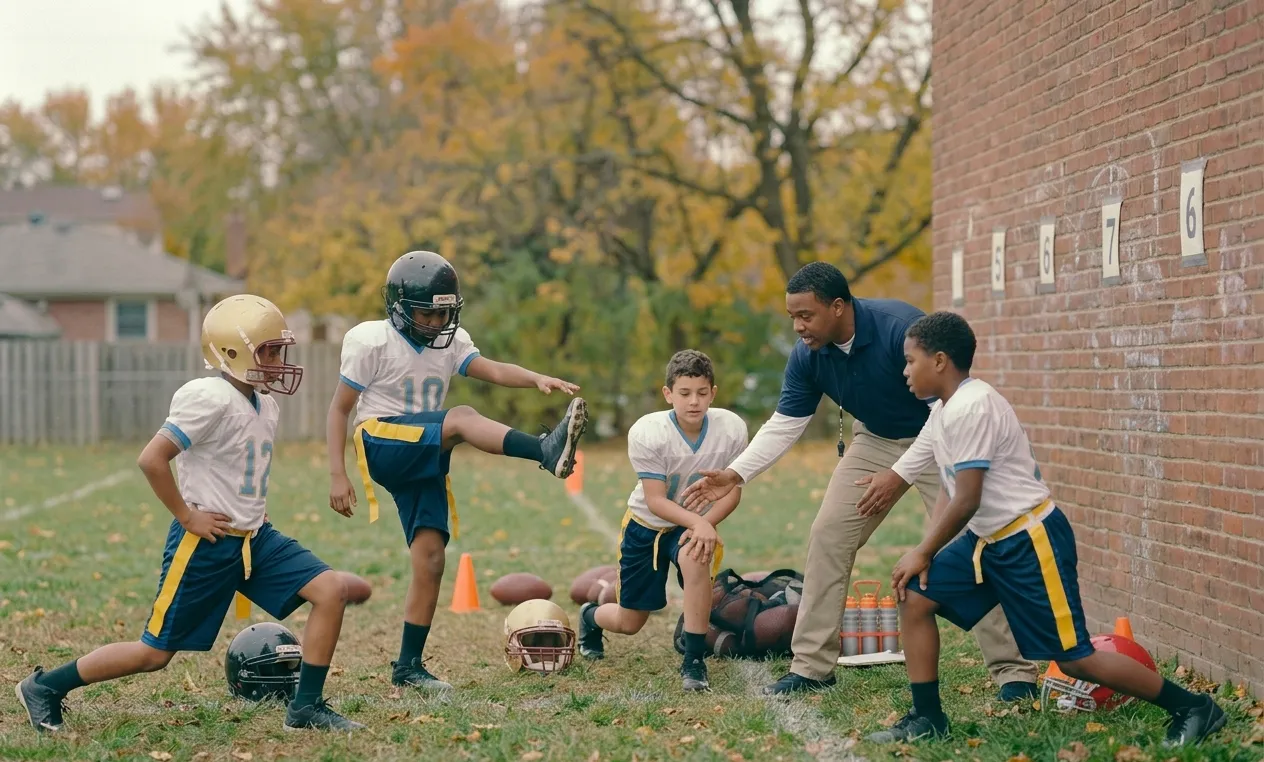
Football stretching drills for beginners can feel confusing at the start. Many new players skip stretching or do it the wrong way. They jump straight into practice and then feel tight, slow, or off balance. This can lead to poor performance and even small injuries that could be avoided with the right routine.
I have seen this happen many times with beginner players. In early practice sessions, most of them rush stretching or ignore it. After a few runs, they struggle with movement and complain about tight legs. The good news is that simple drills, done the right way, can fix this and help players move with more control and confidence.
Key Takeaways
- Use dynamic stretching before practice
- Use static stretching after practice
- Follow a short 10-minute routine
- Focus on control, not speed
- Stay consistent to see results
Football Stretches and Warm-Up Exercises: A Complete Guide
Stretching prepares your body for football. It helps muscles get ready for running, cutting, and quick direction changes.
A good warm-up with stretching can:
- improve flexibility
- increase range of motion
- prepare muscles for action
- lower injury risk
- support better movement during drills
Parents and coaches can use this to keep players safe and build strong habits early.
Warm Up
Always start with a warm-up before stretching.
Do:
- light jog (2–3 minutes)
- jumping jacks
- easy movement drills
This increases blood flow and prepares your muscles. It also helps with early muscle activation before intense movements.
Coaches can use this as a simple team warm-up.
Stretching
Stretching helps your body move freely. It improves flexibility and control.
There are two main types:
- dynamic stretching
- static stretching
Both are important in football training.
Dynamic Vs static Stretching
| Type of Stretch | When to Use | Example | Benefit |
|---|---|---|---|
| Dynamic Stretching | Before practice | Leg swings, lunges | Prepares muscles, improves movement |
| Static Stretching | After practice | Hamstring, quad stretch | Improves flexibility, supports recovery |
Static Stretches
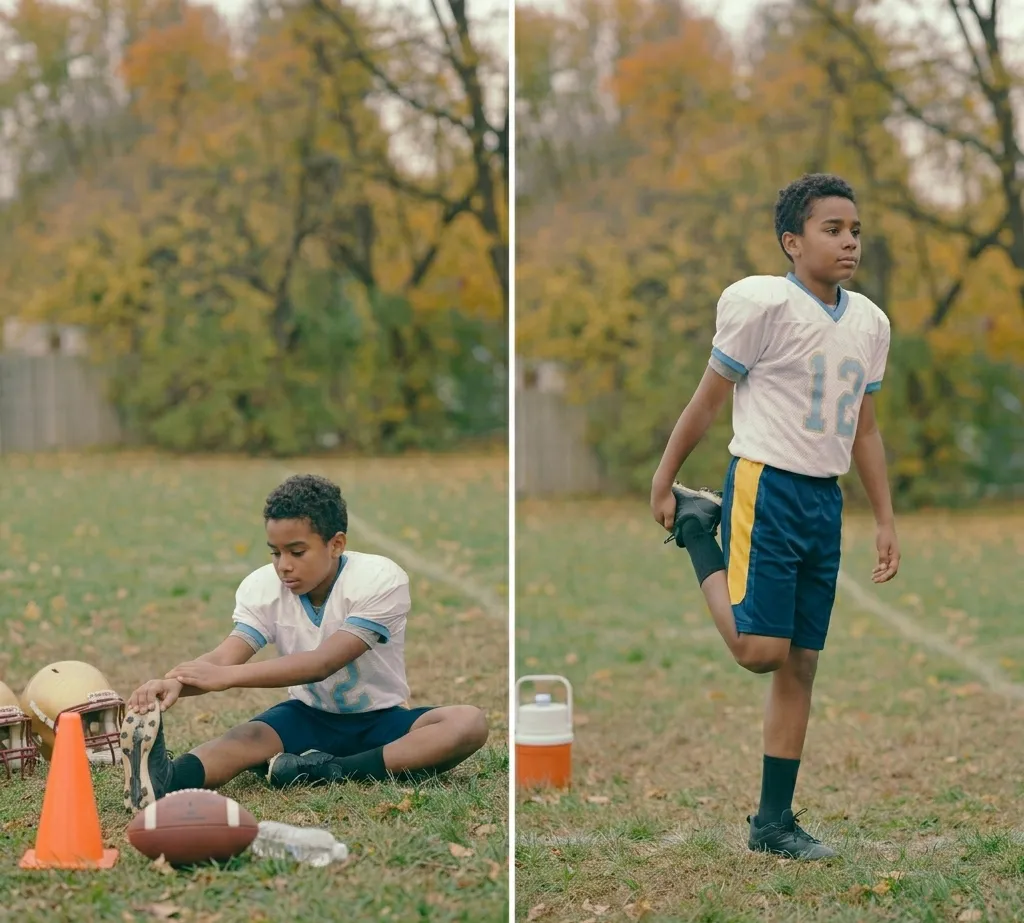
Hold a position for 15–30 seconds. Helps relax muscles and improve flexibility.
Dynamic Stretches
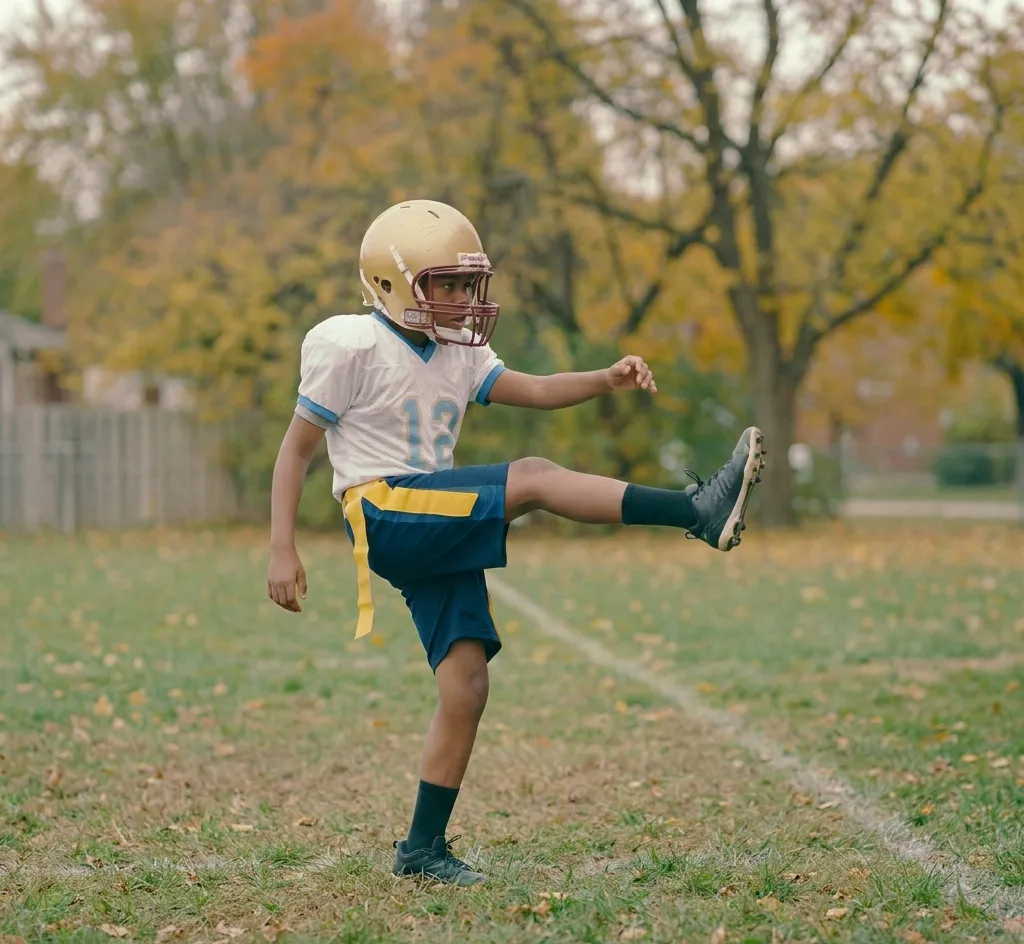
Movement-based stretches used before practice. Helps with muscle activation and quick football actions.
Benefits of Stretching Before a Football Game
- improves movement
- prepares muscles for sprinting
- supports balance during cutting
- activates key muscle groups
Benefits of Stretching After a Football Game
- relaxes muscles
- reduces tightness
- supports recovery
- improves flexibility
Practice Plan
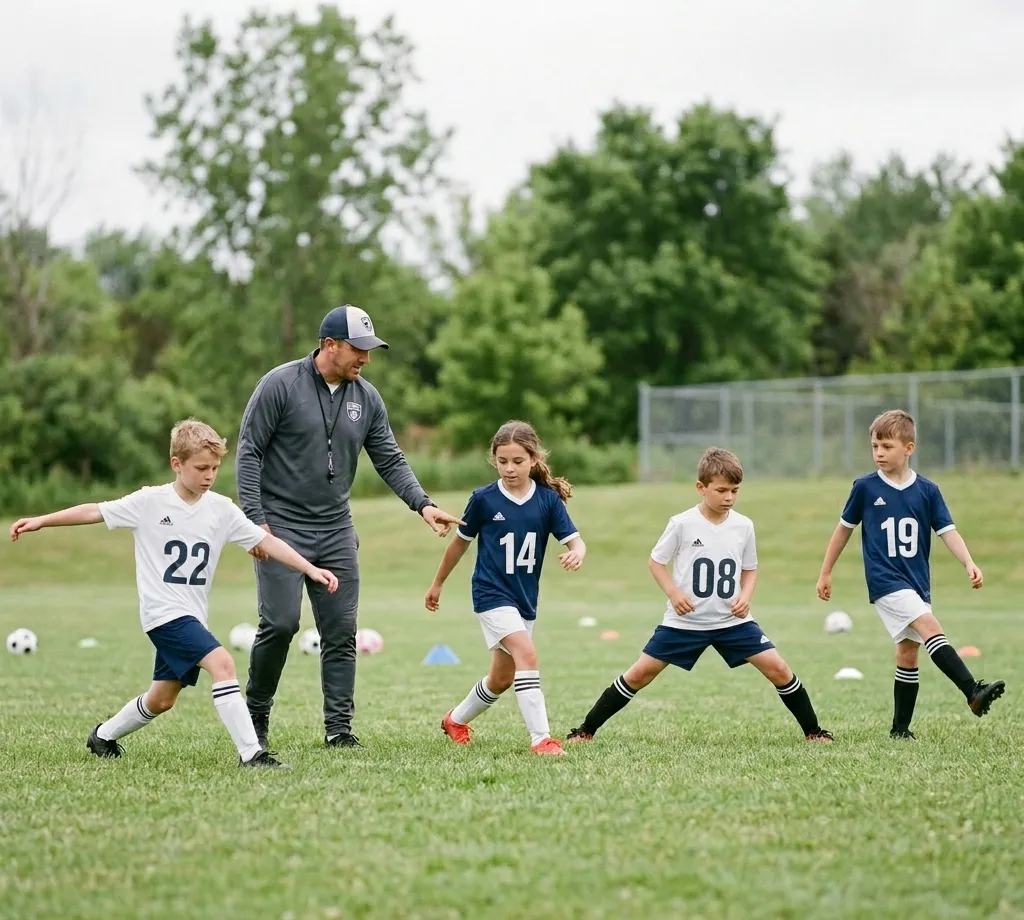
- warm-up
- dynamic stretching
- skill drills
- team drills
- cool down
This keeps sessions structured for coaches and safe for players.
Best Football Stretching Drills for Beginners
Pro Tip: Start slow and focus on proper form before increasing speed.
Leg Swings
10–12 reps → helps sprint movement
Walking Lunges
8–10 reps → helps balance during cutting
High Knees
20–30 sec → improves speed
Hip Openers
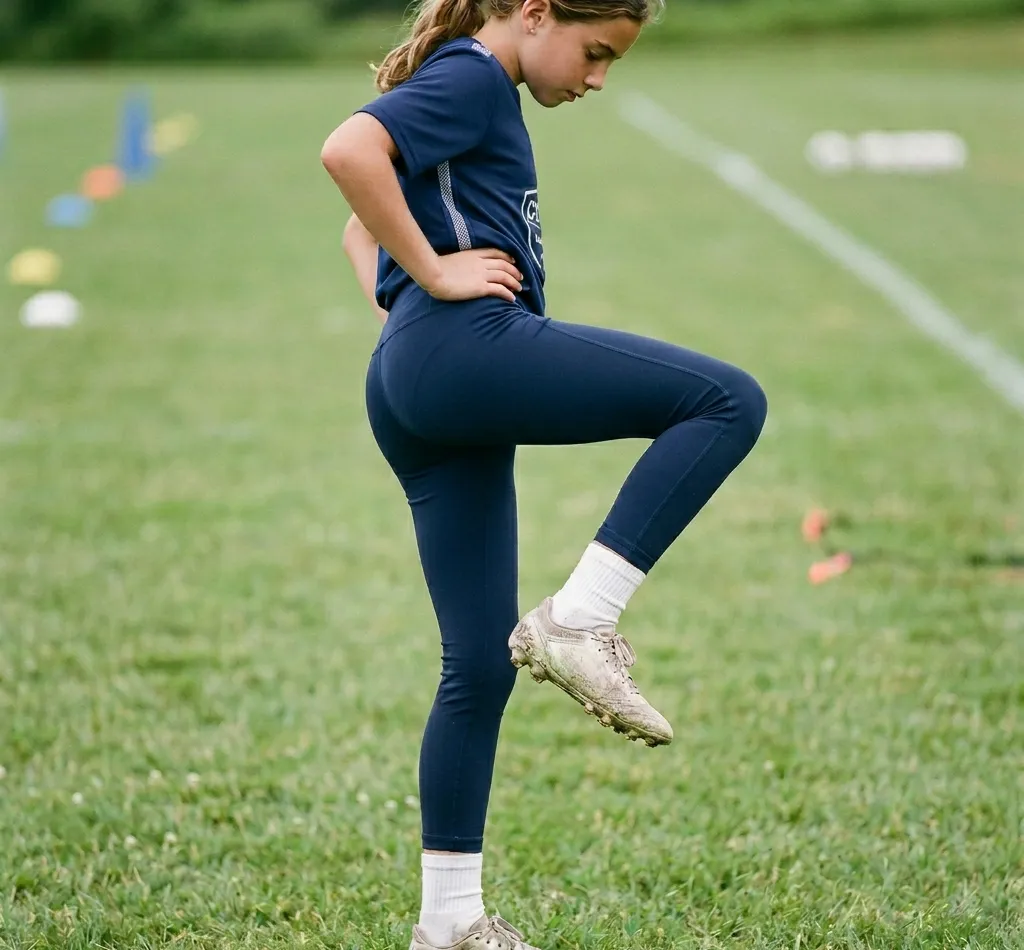
8–10 reps → improves mobility
Hamstring Stretch
20 sec → reduces injury risk
Quad Stretch
20 sec → improves flexibility
10-Min Football Stretching Routine for Beginners
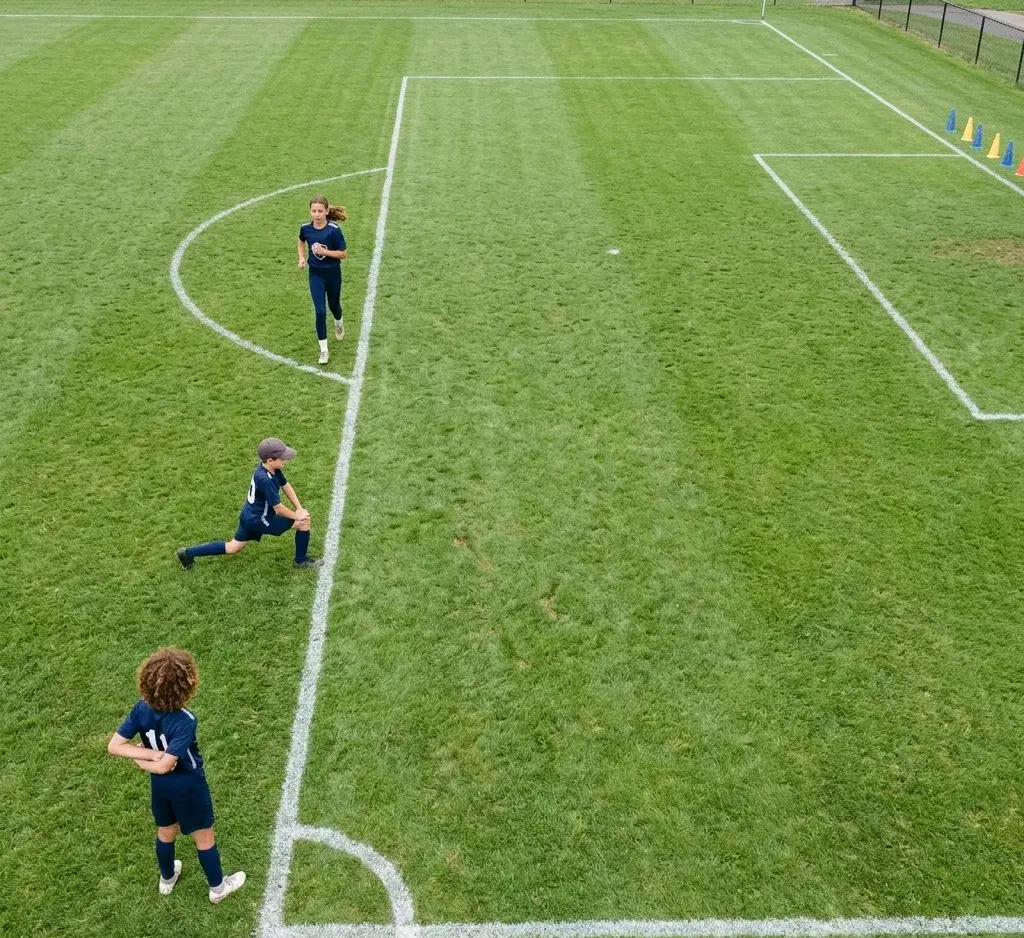
Quick Routine Overview
- Warm-up → 2 minutes
- Dynamic stretching → 5 minutes
- Static stretching → 3 minutes
Start slow, then increase speed gradually.
When to Stretch: Before vs After Practice
- before → dynamic
- after → static
How Stretching Fits Into Practice
- warm-up
- stretch
- drills
- play
- cool down
Common Stretching Mistakes
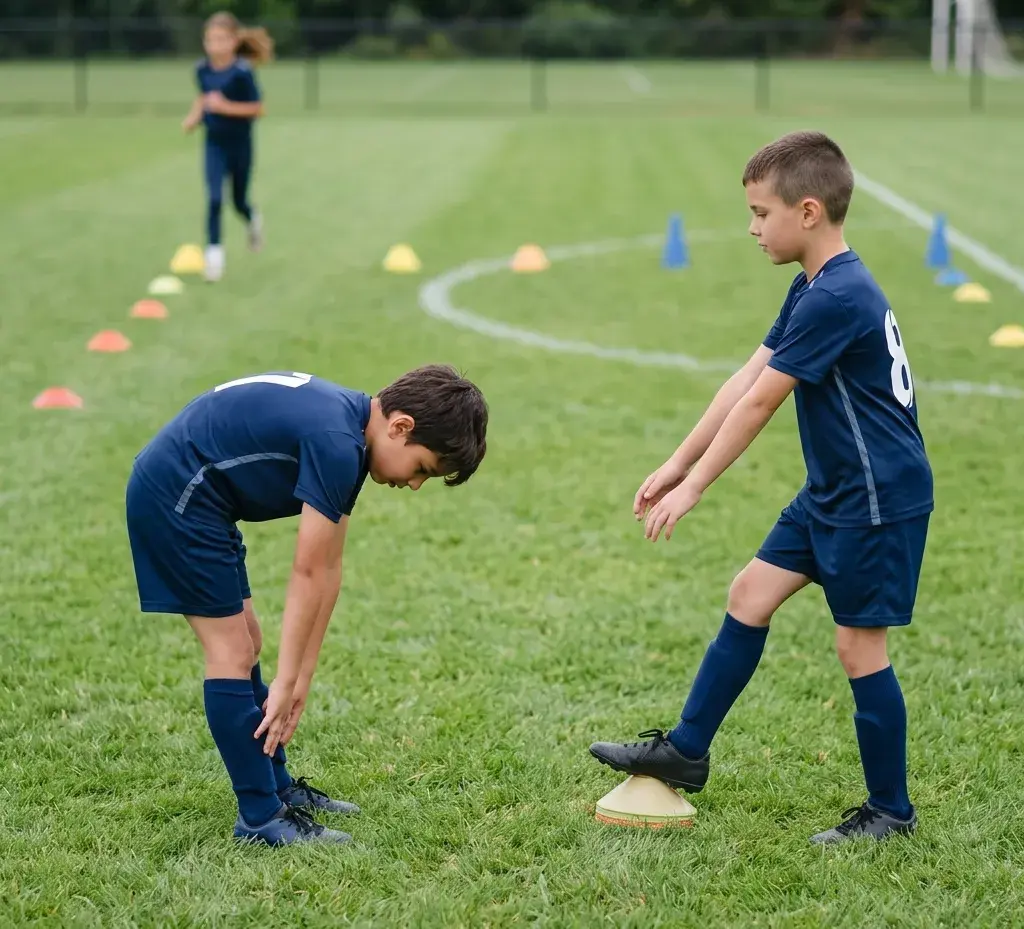
Avoid These Mistakes
- Skipping warm-up
- Stretching too fast
- Poor form
- Static stretching before practice
Tips for Coaches and Parents
- guide step by step
- watch form
- keep it simple
- keep it safe
Safety Tips
- do not overstretch
- stop if pain
- move slow
- stay consistent
Conclusion
Football stretching drills for beginners may look simple, but they make a big difference over time. Players who follow a proper routine move better, feel less tight, and stay more confident during practice. From real sessions, it is clear that beginners who stretch correctly perform better than those who skip it. They run smoother, react faster, and avoid common problems like muscle tightness.
The key is to stay consistent and keep things simple. You do not need long or difficult routines. Just follow the basic steps, focus on proper form, and repeat them in every session. Over time, this builds flexibility, improves movement, and helps players stay safe on the field.
FAQs
What are the best football stretching drills for beginners?
The best football stretching drills for beginners are simple dynamic movements like leg swings, walking lunges, and high knees. These help prepare the body for running, cutting, and quick movements on the field.
Should beginners do stretching before football practice?
Yes, beginners should always stretch before football practice. Use dynamic stretching before practice to warm up muscles and improve movement. Static stretching should be done after practice.
How long should football stretching drills take for beginners?
Football stretching drills for beginners should take about 5 to 10 minutes. A short routine with warm-up, dynamic stretches, and a cool down is enough to prepare the body.
What is the difference between dynamic and static stretching in football?
Dynamic stretching involves movement and is used before practice. Static stretching means holding a position and is used after practice. Both are important for football training.
Do football stretching drills help prevent injuries?
Yes, football stretching drills for beginners can help reduce the risk of injuries. They improve flexibility, mobility, and muscle control, which helps the body handle fast movements safely.
Can kids follow the same football stretching routine?
Yes, kids can follow the same football stretching routine if it is simple and controlled. Parents and coaches should guide them to ensure proper form and safe movement.
How often should beginners do football stretching drills?
Beginners should do football stretching drills before and after every practice or game. Regular stretching helps improve flexibility and builds better movement over time.
