


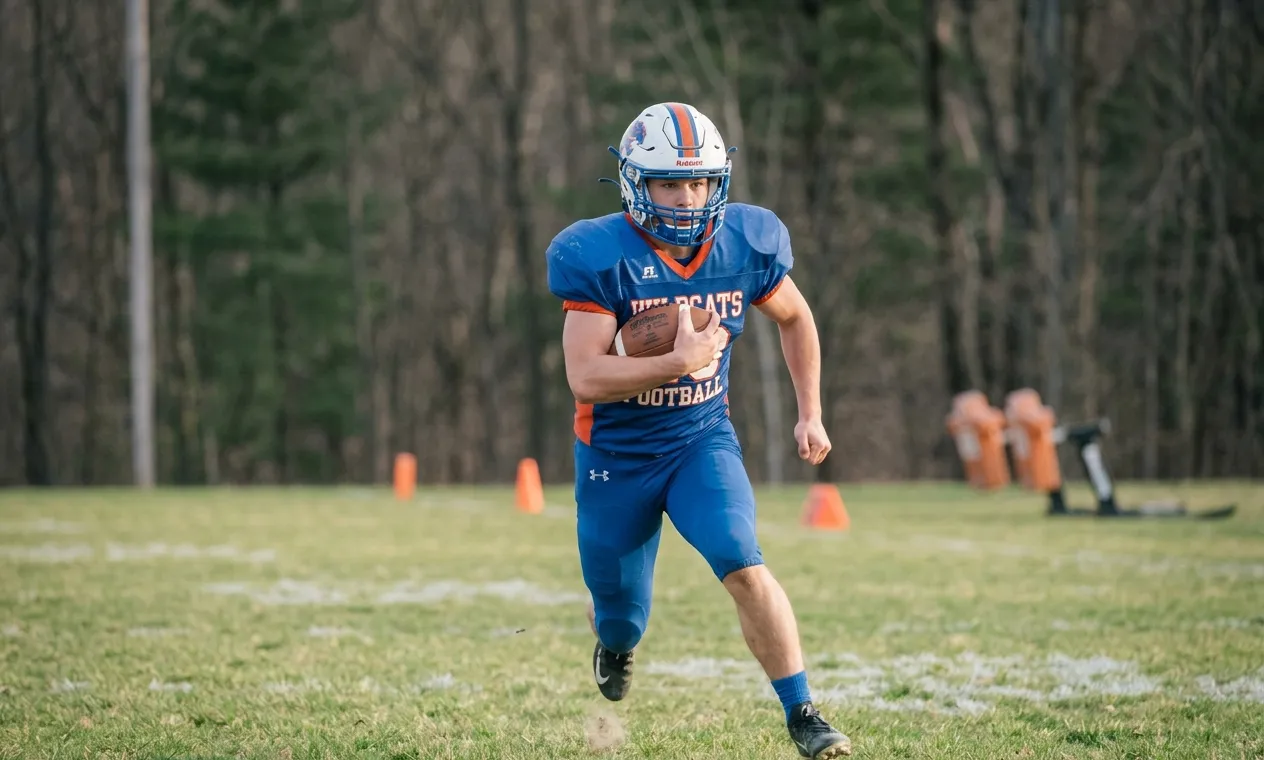
Ball security and ball handling drills help players protect the football and avoid fumbles. Many beginners lose the ball because they do not use the right technique. If you have ever seen a player drop the ball right before scoring, you know how frustrating it feels. Many young players work hard but still lose the ball during contact or while running fast. This usually happens because they were never taught how to hold and control the football the right way.
From coaching beginner players, one thing shows up again and again. Most players do not lose the ball because of speed or strength. They lose it because of poor habits like holding the ball loose or reacting late under pressure. The good news is simple. With the right drills and small daily practice, players can fix these mistakes fast. These drills are simple, safe, and designed for beginner players, youth athletes, and coaches who want quick improvement.
Key Components of Running Back Play
Running backs must control the ball in every game situation. They need balance, awareness, and strong hands.
The main components include:
- Ball security under pressure
- Quick decision making
- Balance while running
- Control during contact
If one part is weak, the ball can come loose. This is especially important for young players who are still learning how to protect the ball.
Ball Carrying Technique (Ball Security Basics)
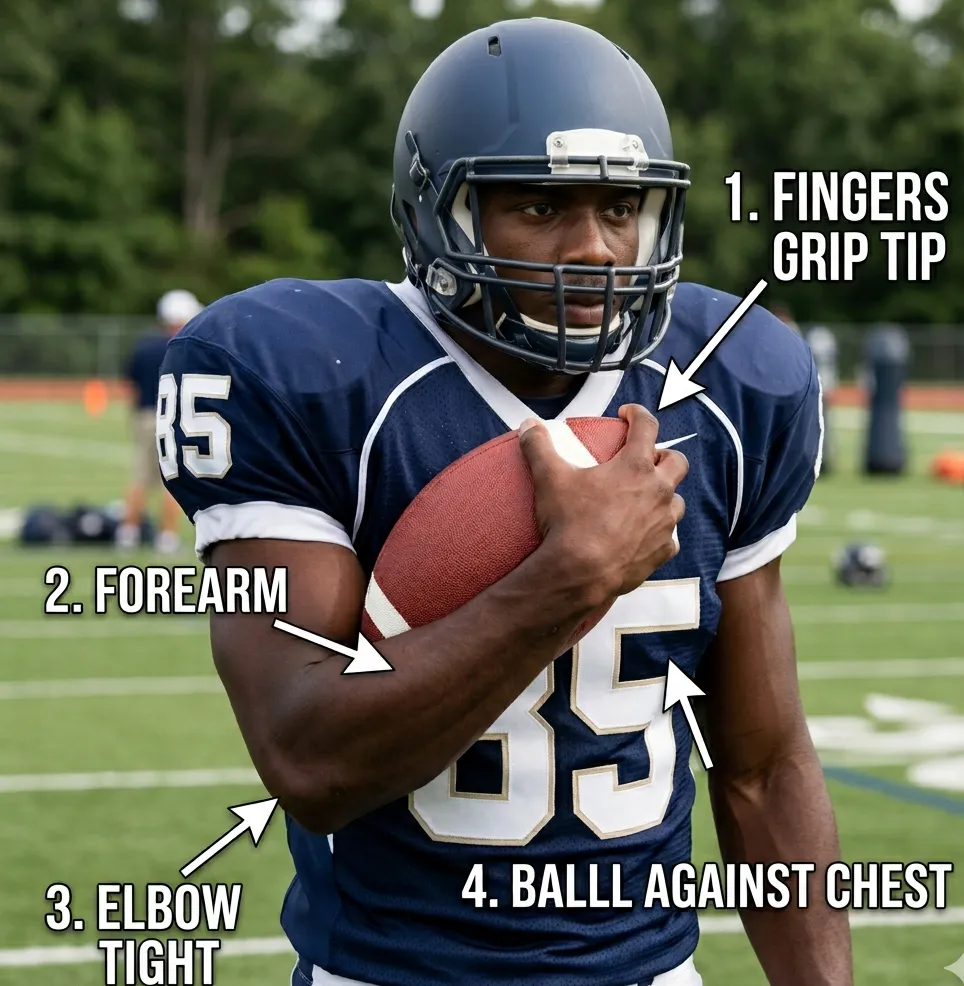
Good ball carrying starts with proper position.
Players should keep the ball high and tight. This means:
- Ball close to chest
- Elbow tight to body
- Forearm over the ball
- Fingers gripping the tip
This is called the 4 points of pressure. It keeps the ball secure even during hits.
The 4 points of pressure include the fingers, palm, forearm, and chest. Each point helps keep the ball secure during contact.
Beginners should first practice this position while standing still, then slowly add movement.
Coaching Points for Ball Security
Coaches focus on small details. These details make a big difference.
Key points:
- Always keep the ball high and tight
- Switch hands away from defenders
- Cover the ball in traffic
- Stay low during contact
- Keep eyes up while running
Coaches can use these points during team practice. Parents can also guide young players during home training.
Ball Security Drills for Beginners
These drills help players protect the football in real situations. Start slow, then increase speed and light contact.
Ball Tuck and Hold Drill
Player holds the ball tight while moving slowly. Focus on grip and position.
Great for beginners and can be done at home.
Gauntlet Drill
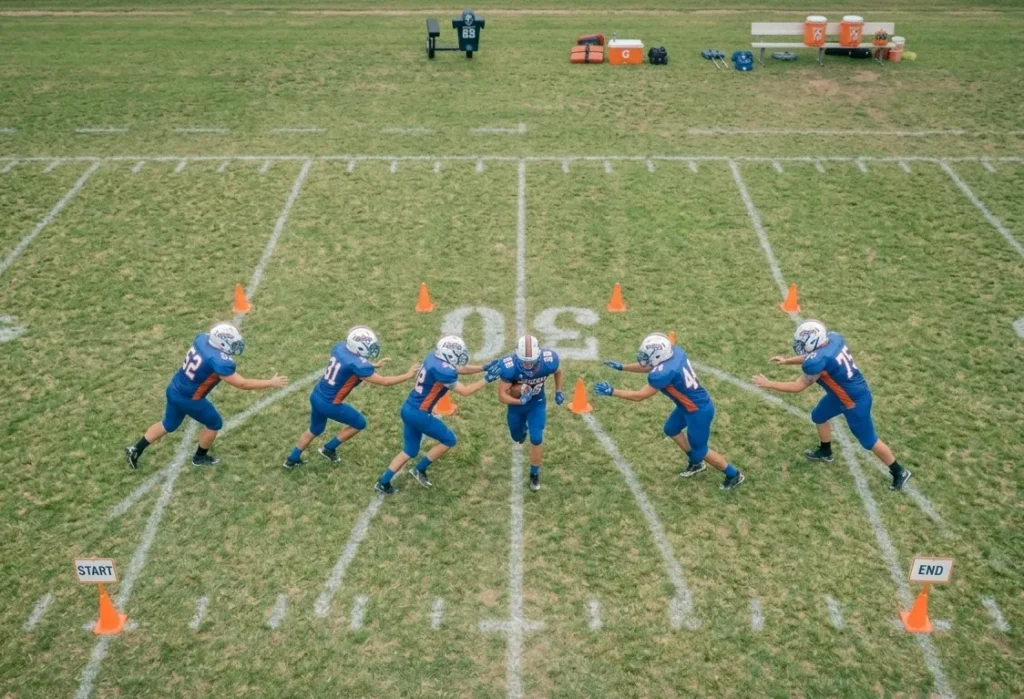
Player runs through a line of teammates trying to knock the ball out.
Builds control under pressure and is ideal for team practice.
Hop and Switch Drill
Player hops and switches the ball between hands.
Improves balance and safe ball switching.
Shuffle and Switch Drill
Player shuffles sideways and switches the ball.
Helps in real game movement.
Ball Protection Corners
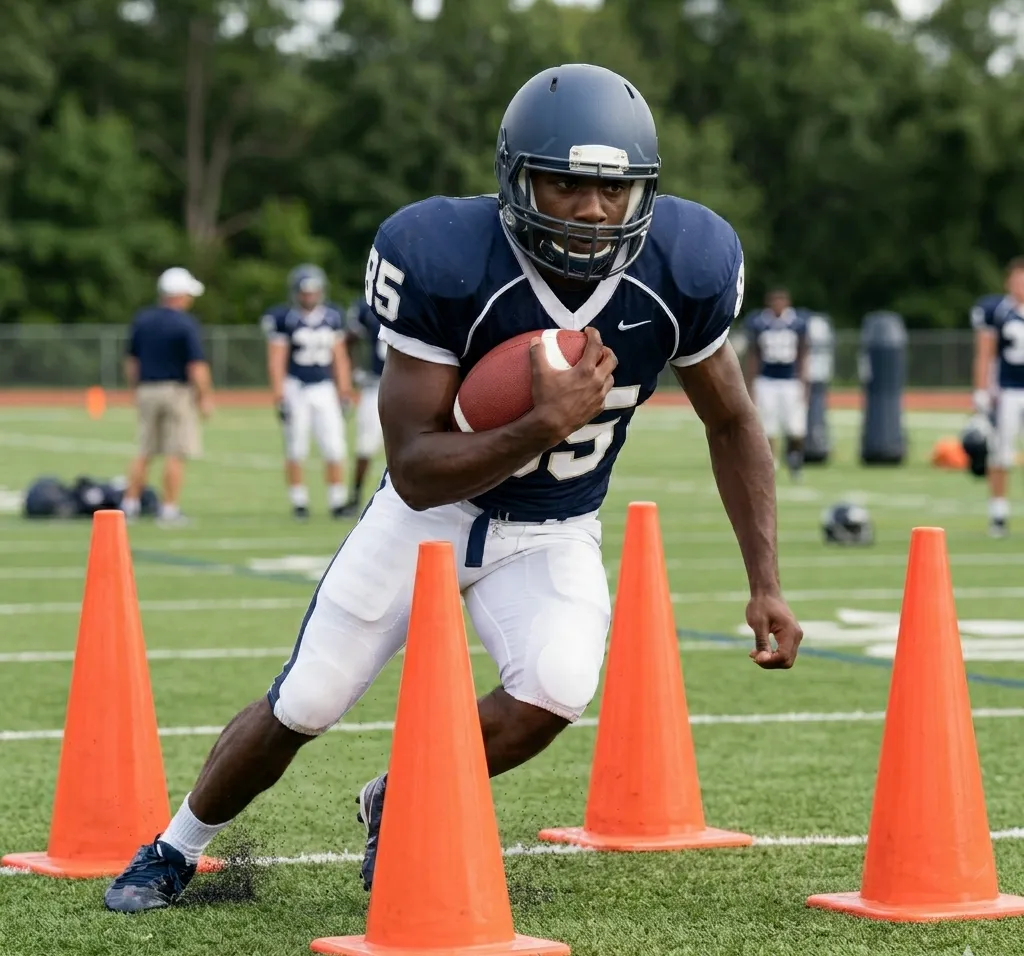
Player runs around cones while keeping the ball tight.
Can also be done solo using cones.
Hoop Drill
Player runs in a circular path.
Improves balance during direction changes.
Seat Rolls
Player rolls on the ground while holding the ball.
Helps players protect the ball when falling.
Band Strain Drill
Resistance adds pressure while holding the ball.
Builds grip strength.
Ball Security Drill Summary
| Drill | Purpose | Best For |
|---|---|---|
| Ball Tuck | Grip control | Beginners |
| Gauntlet | Pressure control | Teams |
| Hop & Switch | Balance | RBs |
| Hoop Drill | Turning control | All players |
Ball Handling Drills for Football Players
These drills focus on receiving, controlling, and moving the ball.
Handoff Drill (QB to RB)
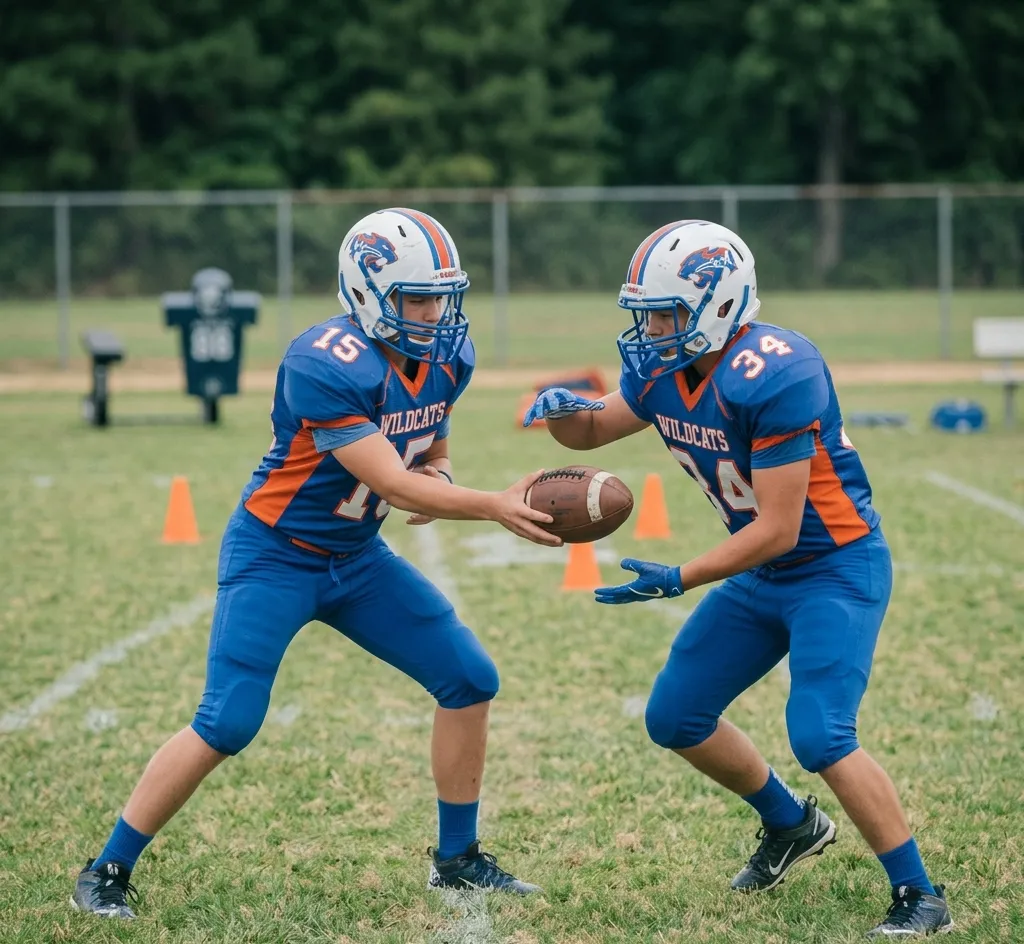
Focus on timing and clean exchange.
Important for quarterbacks and running backs.
Catch and Secure Drill
Catch the ball and bring it to a high and tight position.
Helps wide receivers after the catch.
Ball Transfer Drill
Switch the ball between hands while running.
Helps avoid defenders.
Reaction Ball Control Drill
React quickly and secure the ball.
Builds fast control in pressure situations.
Game Situation Ball Security Drills
These drills prepare players for real match pressure. Start with light contact, then increase intensity.
Strip Attempt Drill
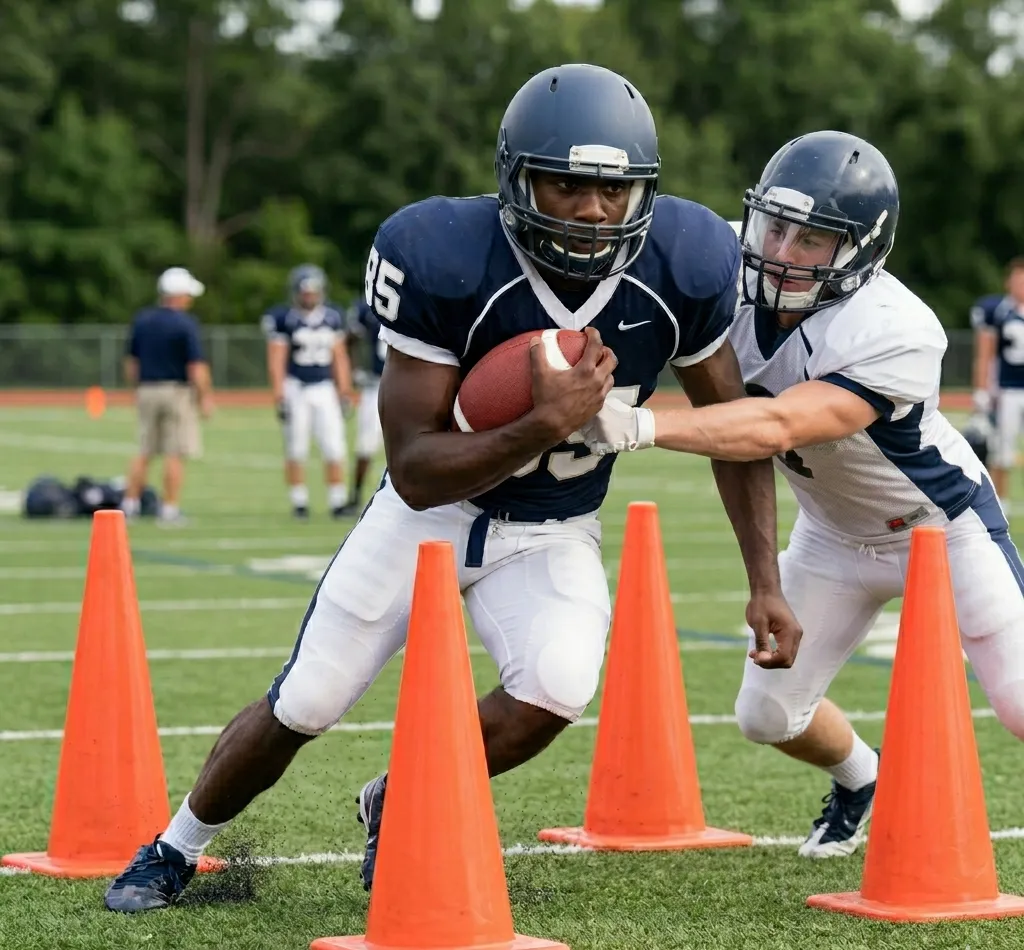
Defenders try to knock the ball out.
Blind Side Contact Drill
Player takes side contact and keeps control.
High Traffic Drill
Player runs through a crowded area.
Defenders often use moves like the Peanut Punch to force fumbles.
Agility and Speed Drills for Ball Control
Agility and speed drills help players stay balanced while protecting the ball.
- Cone drills
- Ladder drills
- Sprint drills
Focus on control first, then speed.
Common Ball Security Mistakes and Fixes
- Holding the ball away from the body
- Running upright during contact
- Switching hands too late
- Not covering the ball in traffic
Fix these early to reduce fumbles quickly
10-Minute Ball Security Practice Plan
| Time | Drill | Focus |
|---|---|---|
| 2 min | Ball Tuck | Grip |
| 3 min | Gauntlet | Pressure |
| 3 min | Handoff | Exchange |
| 2 min | Traffic Drill | Protection |
Works for players, parents, and beginner coaches.
How to Track Improvement
- Count dropped balls in practice
- Track successful gauntlet runs
- Measure how fast you secure the ball
Try to improve weekly.
Key Takeaways
- Ball security prevents fumbles
- High and tight technique is key
- Practice daily for improvement
- Start simple, then add pressure
- Focus on control and confidence
Conclusion
Ball security and ball handling drills are key for every football player. Simple drills and proper technique can reduce mistakes and build strong habits over time. From real training experience with beginners, one clear pattern stands out. Players who practice ball control daily improve faster and feel more confident during games.
Good ball security is about doing simple things the right way again and again. When players learn to keep the ball high and tight and stay calm under pressure, they stop worrying about fumbles and start playing with confidence. Stay consistent, follow the drills, and focus on control first. Over time, these habits will help you protect the ball and perform better in real game situations.
FAQs
What are ball security and ball handling drills in football?
Ball security and ball handling drills are training exercises that help players protect the football, control it during movement, and avoid fumbles in game situations.
How can beginners improve ball security in football?
Beginners can improve ball security by using the high and tight technique, practicing daily drills, and learning the 4 points of pressure to keep the ball secure.
What is the best ball security drill for beginners?
The gauntlet drill is one of the best ball security drills for beginners because it trains players to protect the ball under pressure from defenders.
Why do young players fumble the football?
Young players often fumble because they hold the ball loosely, run upright during contact, or do not react quickly when defenders try to knock the ball out
What are the 4 points of pressure in football?
The 4 points of pressure are the fingers, palm, forearm, and chest. These points work together to keep the ball tight and secure during contact.
How do you practice ball handling drills at home?
Players can practice ball handling drills at home by doing ball tuck drills, handoff practice with a partner, and simple catch and secure drills using a soft football.
Which positions need ball security and ball handling drills the most?
Running backs, wide receivers, and quarterbacks need these drills the most because they handle the ball often during plays.
How long should you practice ball security drills each day?
Beginners can practice ball security drills for 10 to 15 minutes daily to build strong habits and improve control over time.
How do you stop fumbling in football games?
To stop fumbling, players should keep the ball high and tight, stay low during contact, and protect the ball with both arms in crowded situations.
Are ball security drills safe for kids?
Yes, ball security drills are safe for kids when they start with no contact drills and slowly move to light contact under proper supervision.
