


Introduction
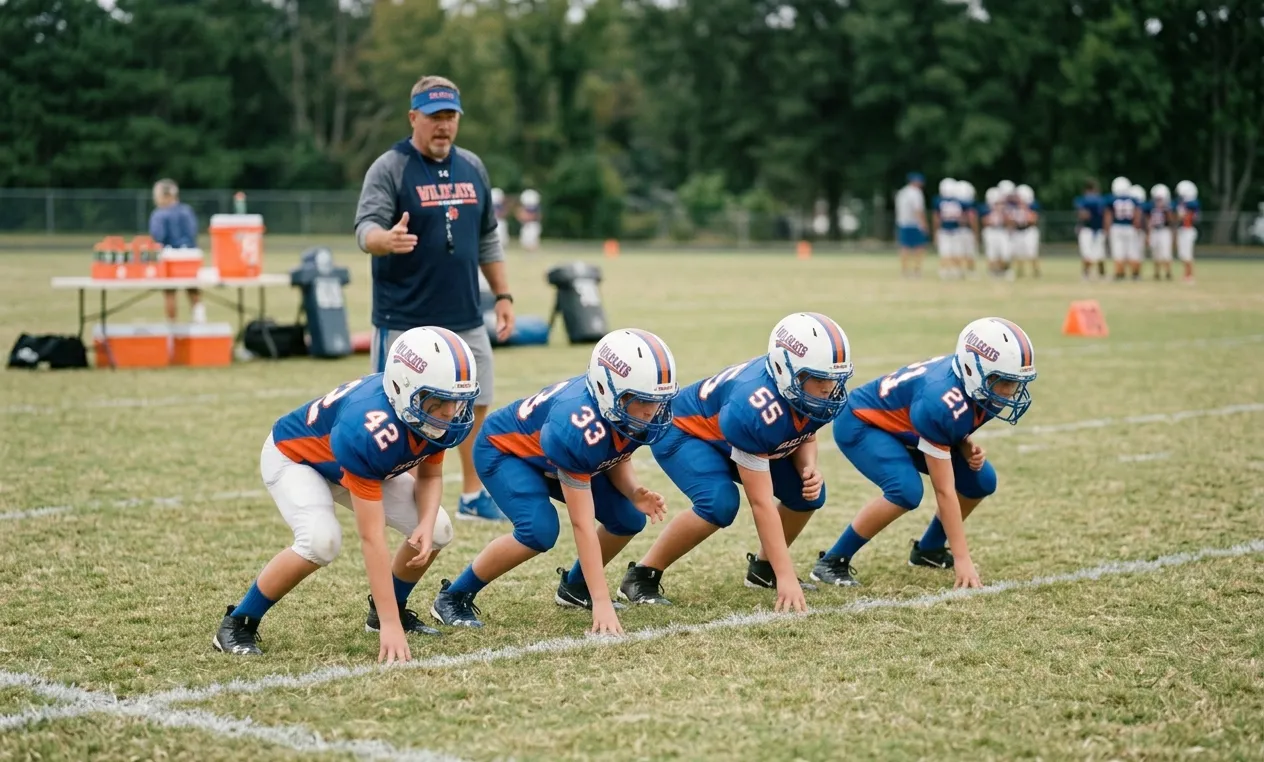
Many beginner players feel lost when they first try to play defense in American football. They line up in the wrong spot, miss tackles, or get blocked out of the play. It can feel frustrating when the offense keeps gaining yards and you are not sure what went wrong. This usually happens because key football defense fundamentals are not taught clearly at the start.
I have seen this many times during youth practices and beginner training sessions. New defenders often try to do too much instead of focusing on the simple skills that actually stop plays. Once players learn proper alignment, tackling technique, and pursuit, their confidence grows quickly. This guide explains the key football defense fundamentals that coaches use to help beginners become reliable defenders on the field.
Key Football Defensive Fundamentals
| Fundamental | Why It Matters |
|---|---|
| Alignment | Places defenders in the correct position |
| Stance | Allows quick reaction after the snap |
| Block Recognition | Helps defenders read the play |
| Block Destruction | Allows defenders to escape blockers |
| Tackling | Stops the ball carrier |
| Pursuit | Prevents long runs |
| Effort | Keeps defenders chasing the ball |
| Communication | Keeps the defense organized |
| Turnovers | Gives the ball back to the offense |
What Are Football Defensive Fundamentals
Football defensive fundamentals are the basic skills defenders use to stop the offense. These skills include alignment, stance, block recognition, block destruction, tackling, pursuit, effort, communication, and creating turnovers.
These fundamentals help defenders control space, defeat blockers, and bring down the ball carrier.
The main goals of defense are:
- stop the offense from gaining yards
- prevent touchdowns
- force mistakes or turnovers
Every strong defense is built on these fundamentals.
Football Defense Fundamentals Summary
Football defense fundamentals are the basic skills defenders use to stop the offense. These include alignment, stance, block recognition, block destruction, tackling, pursuit, effort, communication, and creating turnovers.
Alignment
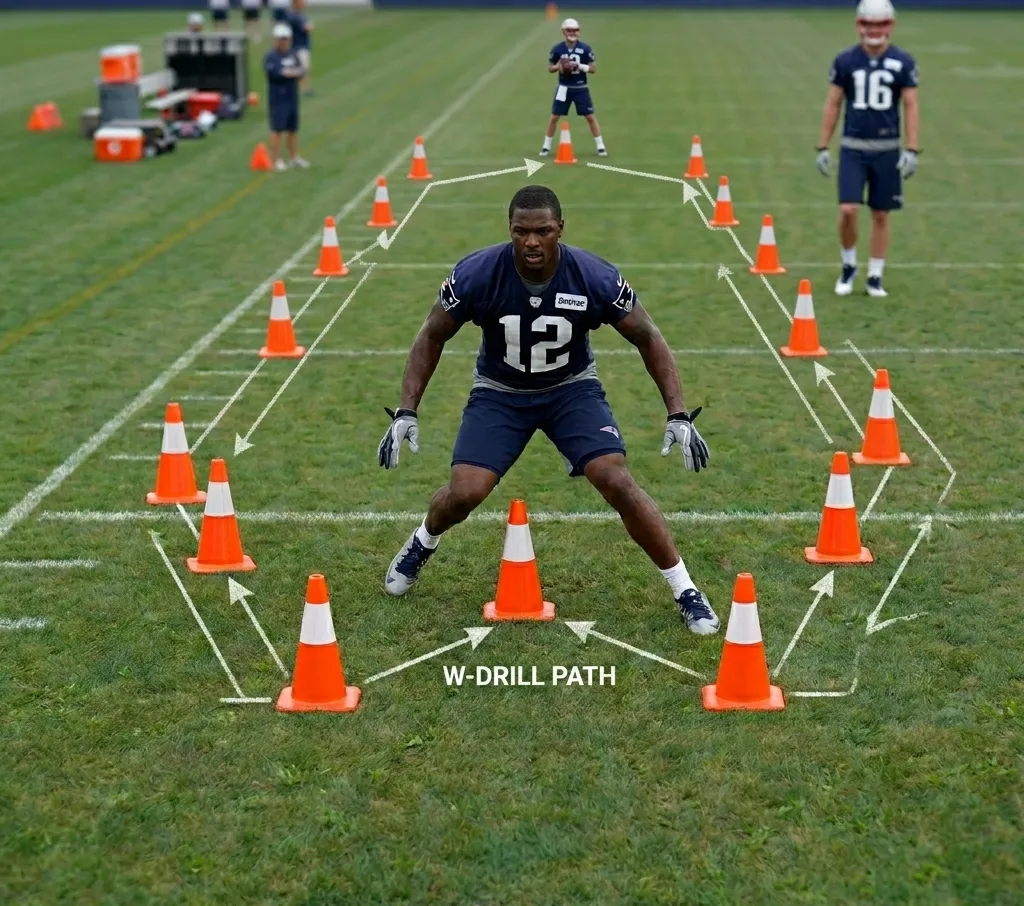
Alignment means lining up in the correct position before the snap. Each defender has a specific spot on the field.
Proper alignment helps the defense control space and stop both runs and passes.
Important alignment points include:
- staying in the correct gap
- watching the offensive formation
- keeping proper spacing with teammates
If players line up incorrectly, large running lanes can open for the offense.
Position Specific Stance
A strong stance prepares defenders to react quickly once the ball is snapped.
A good defensive stance includes:
- feet shoulder width apart
- knees slightly bent
- weight on the front of the feet
- eyes on the offensive player
Bend at Ankles Knees Hips
Defenders should bend naturally at the ankles, knees, and hips. This body position improves balance and movement.
Head Up Technique
Keeping the head up improves vision and helps protect the neck during contact.
Recognize Block
Recognizing blocks is an important defensive skill. Offensive players attempt to block defenders to create running lanes.
Defenders must quickly identify the block and react.
Signs of a block include:
- offensive linemen stepping forward
- receivers moving toward defenders
- tight ends sealing the edge
Block Destruction
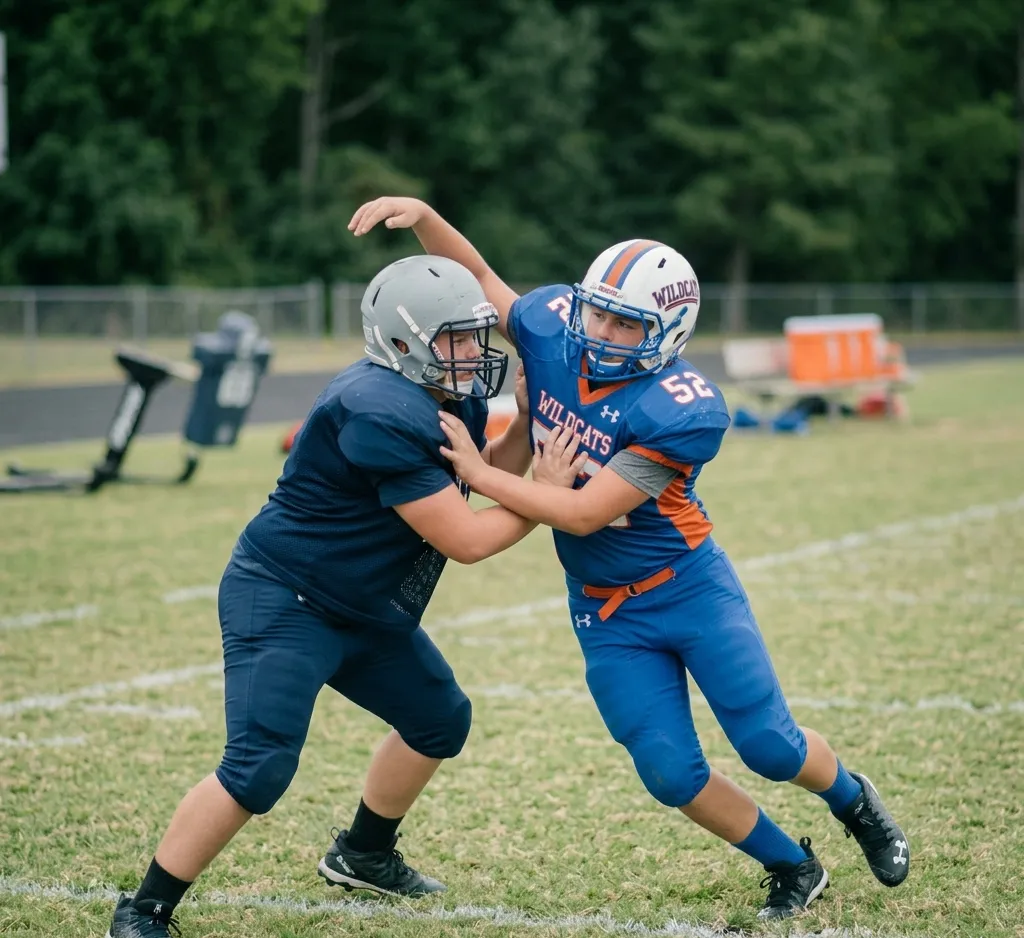
Block destruction means escaping from an offensive block to reach the ball carrier.
Engage and Defeat Blockers
Defenders strike the blocker with their hands and maintain separation.
Horizontal Leverage
Horizontal leverage keeps the defender between the runner and the sideline.
Vertical Leverage
Vertical leverage allows defenders to control forward movement by staying low.
Rip or Chop Disengage
Common techniques to escape blocks include:
- rip move
- chop move
- swim move
Tackling
Tackling is the most important defensive skill in football.
A defense cannot succeed if players miss tackles.
Tackling Fundamentals
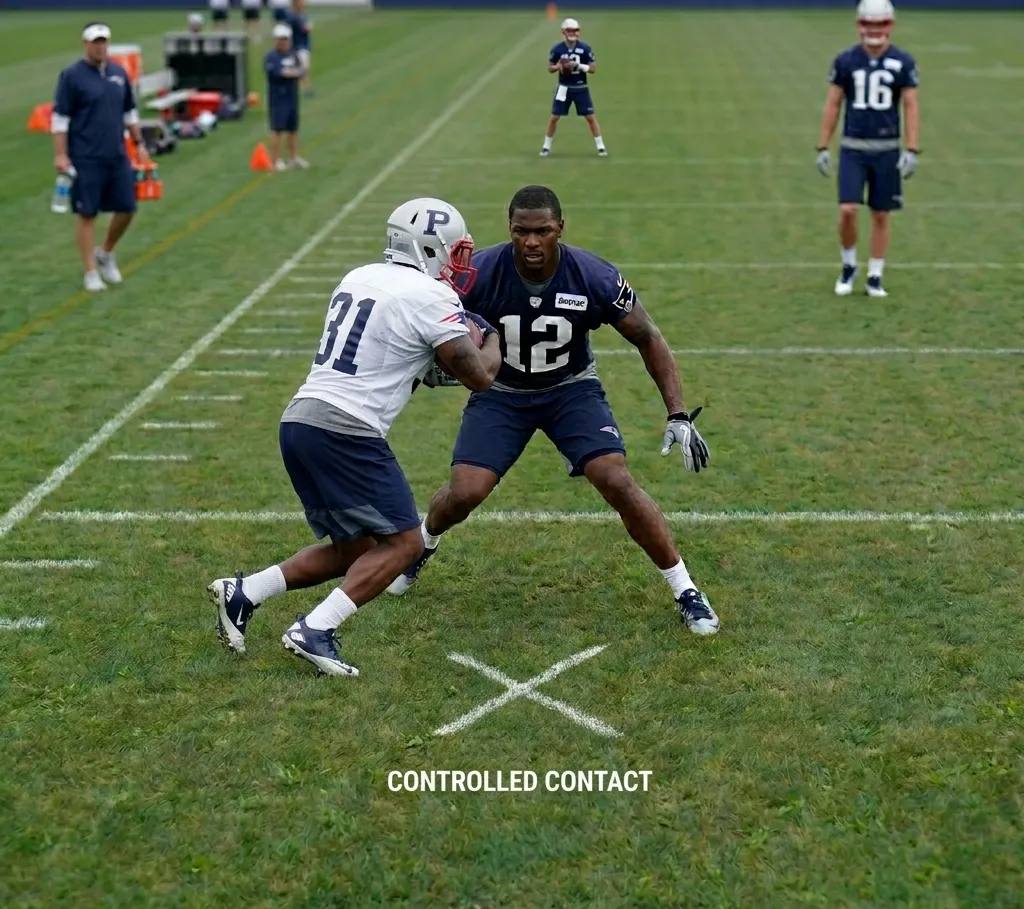
Proper tackling steps include:
- keep the head up
- wrap arms around the runner
- drive the legs forward
- bring the runner to the ground
Common Defensive Mistakes Beginners Make
| Mistake | What Happens |
|---|---|
| Poor Alignment | Running lanes open |
| High Stance | Slow reaction after snap |
| Missed Tackles | Extra yards gained |
| Over Pursuing | Runner cuts back easily |
| Losing Leverage | Defender gets blocked out |
Pursuit
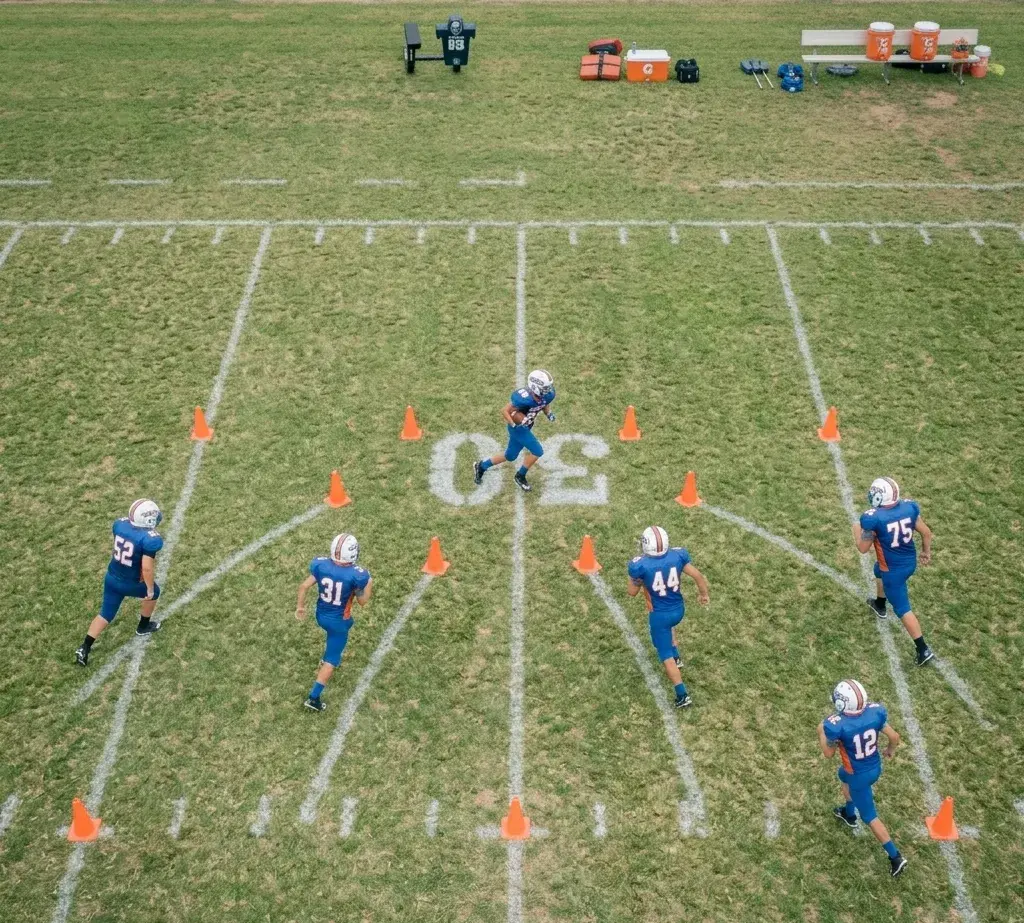
Pursuit means chasing the ball carrier with proper angles and effort.
Every defender should run to the ball on every play.
Good defenses swarm the ball with multiple defenders arriving together.
Turnovers
Turnovers give the ball back to the offense.
Defenders create turnovers through:
- forced fumbles
- interceptions
- strip tackles
Defensive Effort
Effort is a major part of good defense. Players must chase the ball until the whistle stops the play.
Effort prevents long runs and helps defenders support teammates.
Defensive Communication
Communication helps defenders stay organized.
Linebackers and defensive backs often call adjustments based on offensive formations.
Defensive Positions in Football
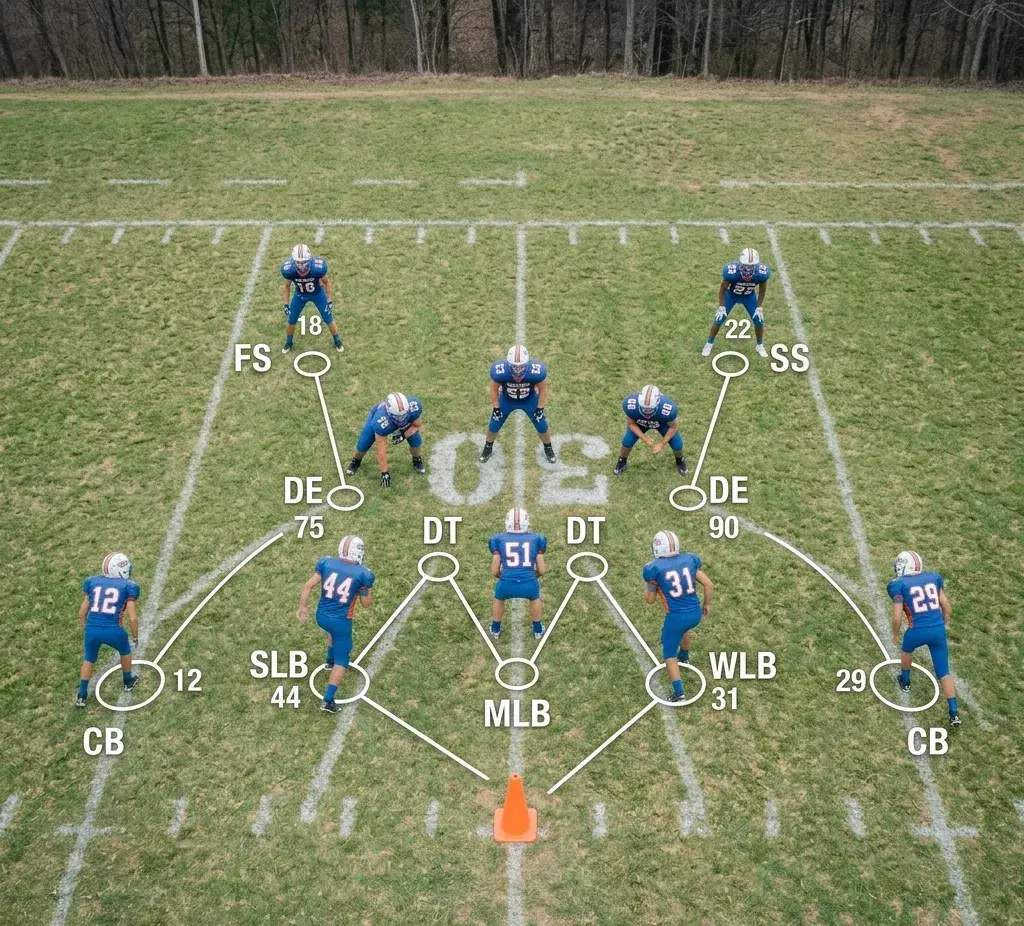
Defensive Position Responsibilities
| Position Group | Main Responsibility |
|---|---|
| Defensive Line | Stop runs and defeat blocks |
| Linebackers | Fill gaps and read plays |
| Defensive Backs | Cover receivers and defend passes |
Teaching Progression
Coaches teach defensive fundamentals step by step. Players learn technique first, then practice it during drills.
Simple 15 Minute Defensive Fundamentals Practice Plan
| Time | Activity |
|---|---|
| 5 Minutes | Stance and alignment drills |
| 5 Minutes | Form tackling drill |
| 3 Minutes | Pursuit angle drill |
| 2 Minutes | Turnover drill |
conclusion
Strong defense is built on simple habits. Players who practice alignment, tackling, block recognition, and pursuit improve much faster than those who ignore fundamentals.
From coaching experience and watching beginner players develop, one thing becomes clear. Defenders who practice these skills every day react faster and make better tackles during games.
If you want to become a dependable defensive player, focus on mastering these fundamentals. Once they become natural, your confidence and performance on the field will improve greatly.
FAQs
What are football defense fundamentals
Football defense fundamentals are the basic skills defenders use to stop the offense. These include alignment, stance, tackling, block recognition, block destruction, pursuit, effort, communication, and creating turnovers.
Why are football defense fundamentals important
Football defense fundamentals are important because they help players react faster, stay in position, and make better tackles. Strong fundamentals reduce mistakes and improve overall team defense.
What are the 5 main football defensive fundamentals
The 5 main football defensive fundamentals are:
- alignment
- tackling
- block destruction
- pursuit
- effort
These core skills form the foundation of a strong defense.
How do you teach football defense fundamentals to beginners
To teach football defense fundamentals, coaches should focus on simple steps. Start with stance and alignment, then move to tackling and pursuit drills. Practice regularly so players build confidence and improve their technique.
What skills do defensive players need in football
Defensive players need strong tackling, quick reaction, good positioning, and awareness. They also need effort and communication to work well as a team.
What is pursuit in football defense
Pursuit in football defense means chasing the ball carrier with the correct angle and effort. Good pursuit helps stop big plays and allows multiple defenders to reach the ball.
What is block shedding in football defense
Block shedding is the ability to escape from an offensive blocker. Defenders use techniques like rip, swim, and chop moves to get free and reach the ball carrier.
What is alignment in football defense
Alignment in football defense means lining up in the correct position before the snap. Proper alignment helps defenders control space and stop both running and passing plays.
