


Introduction
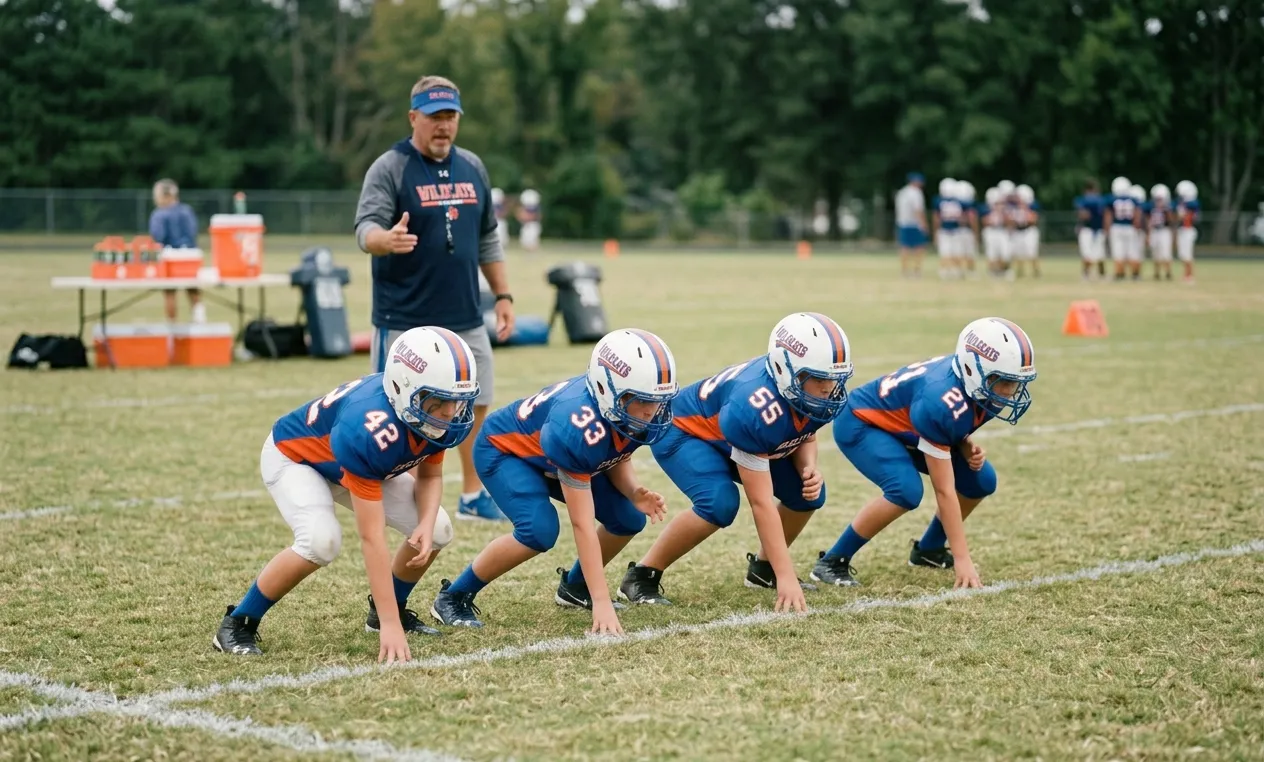
Learning defense in football is difficult for many beginners, and that is why many coaches and players look for defensive football drills for beginners to improve basic skills. New players often struggle with tackling, positioning, and reacting to the offense. During practice, coaches frequently see defenders reach the ball carrier but miss the tackle. Some players take the wrong pursuit angle, while others leave their gap responsibility and create open running lanes. These mistakes make it hard for a defense to stop the offense.
From working with beginner players and youth teams, one thing becomes clear very quickly. Most defensive problems happen because players never practice the basic drills that teach tackling, pursuit angles, and coverage skills. When players start practicing the right drills, their reaction improves and they make fewer mistakes during games. This guide explains simple drills that help beginners build strong defensive fundamentals.
Key Takeaways for Beginner Defenders
- Start every play with a balanced defensive stance.
- Practice tackling drills to improve safety and control.
- Use pursuit drills to reach the ball carrier quickly.
- Defensive backs must train coverage skills regularly.
- Repeating simple drills builds confidence and reaction speed.
Defensive Stance
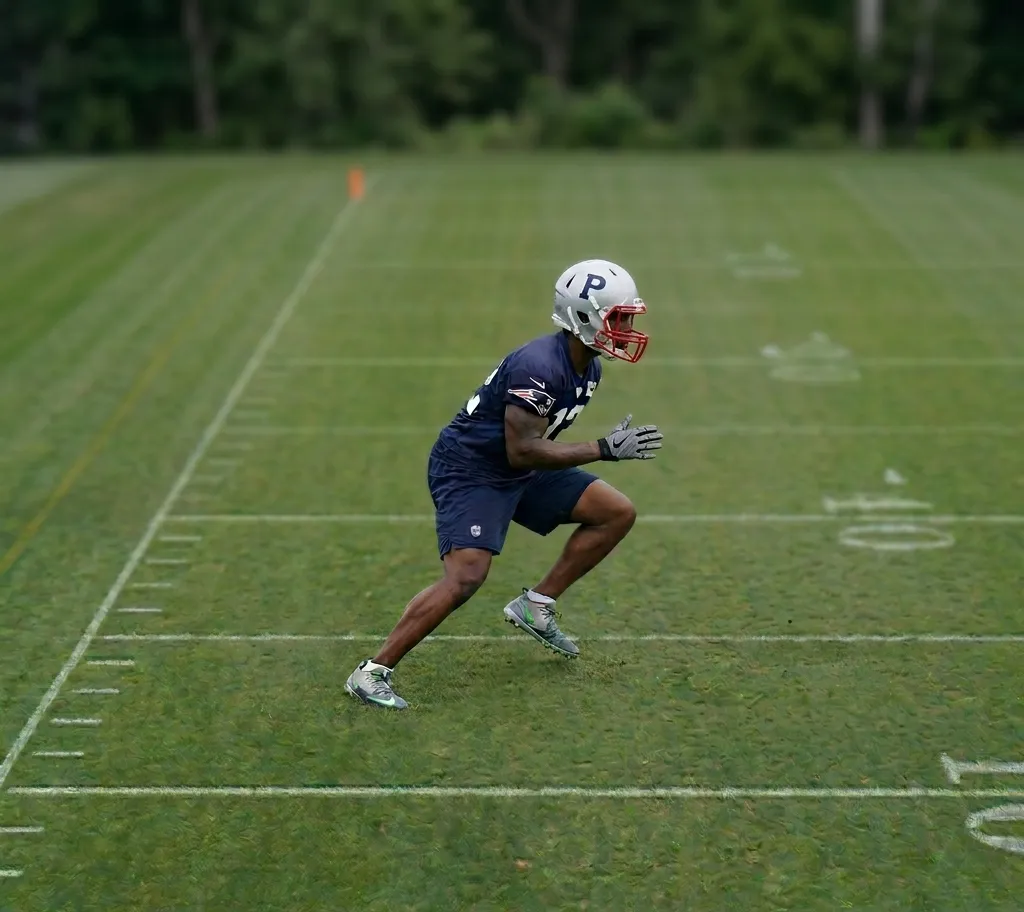
Every defender must start with a proper stance. A good stance helps players react quickly when the ball is snapped.
Feet should be shoulder width apart. Knees stay bent and the chest stays up. The body weight should stay slightly forward on the balls of the feet. Hands stay ready to move in any direction.
A balanced stance allows defenders to move fast and respond to the offense.
Core Defensive Skills for Beginners
| Defensive Skill | Why It Matters |
|---|---|
| Tackling | Stops the ball carrier and ends the play. |
| Pursuit Angles | Helps defenders reach the runner quickly. |
| Gap Responsibility | Prevents running lanes in the defense. |
| Coverage Skills | Helps defend passing plays. |
| Reaction Speed | Allows defenders to respond quickly after the snap. |
Intro to Heads Up Tackling
Tackling is one of the most important skills in football defense. Many beginners miss tackles because they dive at the runner or fail to wrap their arms.
Youth coaches often focus on safe tackling techniques so players can stop the ball carrier without injury.
One common method used by many teams is Heads Up Tackling, which focuses on balance, body control, and proper contact.
Heads Up Tackling Expanded
Breakdown Position
The player lowers the body into a balanced stance with knees bent and the chest up.
Buzzing the Feet
Short, fast steps help defenders stay balanced before contact.
Hit Position
Defender keeps the head up and shoulders square while preparing to wrap the runner.
Shoot
The player moves forward using the legs and wraps the ball carrier.
Rip
Then he lifts the arms and drives through the tackle.
Angle Tackle Drill
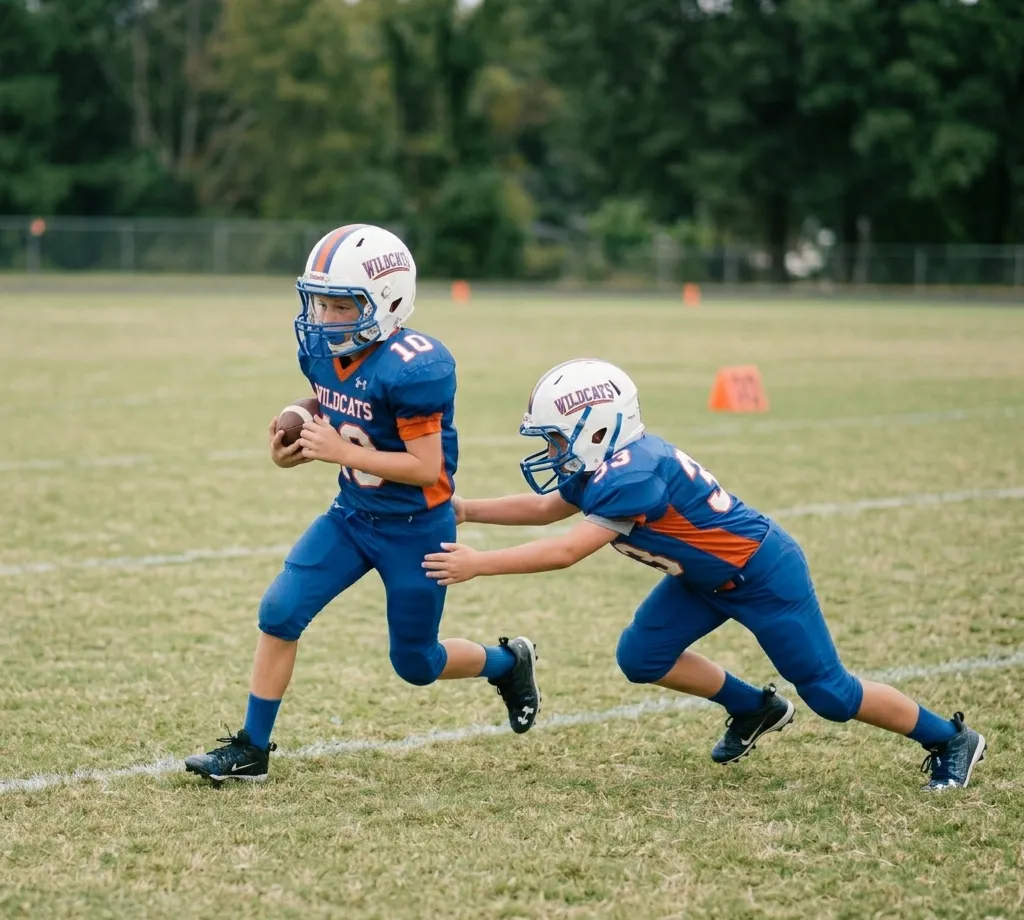
The angle tackle drill teaches defenders how to reach the ball carrier using the correct pursuit angle.
Two players begin several yards apart. One player runs with the ball while the defender approaches from an angle and makes the tackle.
This drill improves:
- pursuit angles
- tackling timing
- reaction speed
Hawk Roll Drill
The Hawk Roll drill teaches defenders how to finish tackles safely.
The player wraps the runner and rolls to the side while maintaining control. This reduces helmet contact and improves tackling safety.
Drive for Five Drill
This drill teaches defenders to keep driving after contact.
Wrap the runner and drive the legs for five steps to complete the tackle.
Tackle Wheel Drill
Players stand in a circle. The coach signals two players.
One becomes the runner and the other becomes the defender. The defender performs a tackle using proper technique.
This drill builds reaction speed.
Shimmy Down Drill
This drill teaches defenders how to slow down before tackling.
The athlete shortens the steps when approaching the runner to maintain balance.
Pursuit Drill
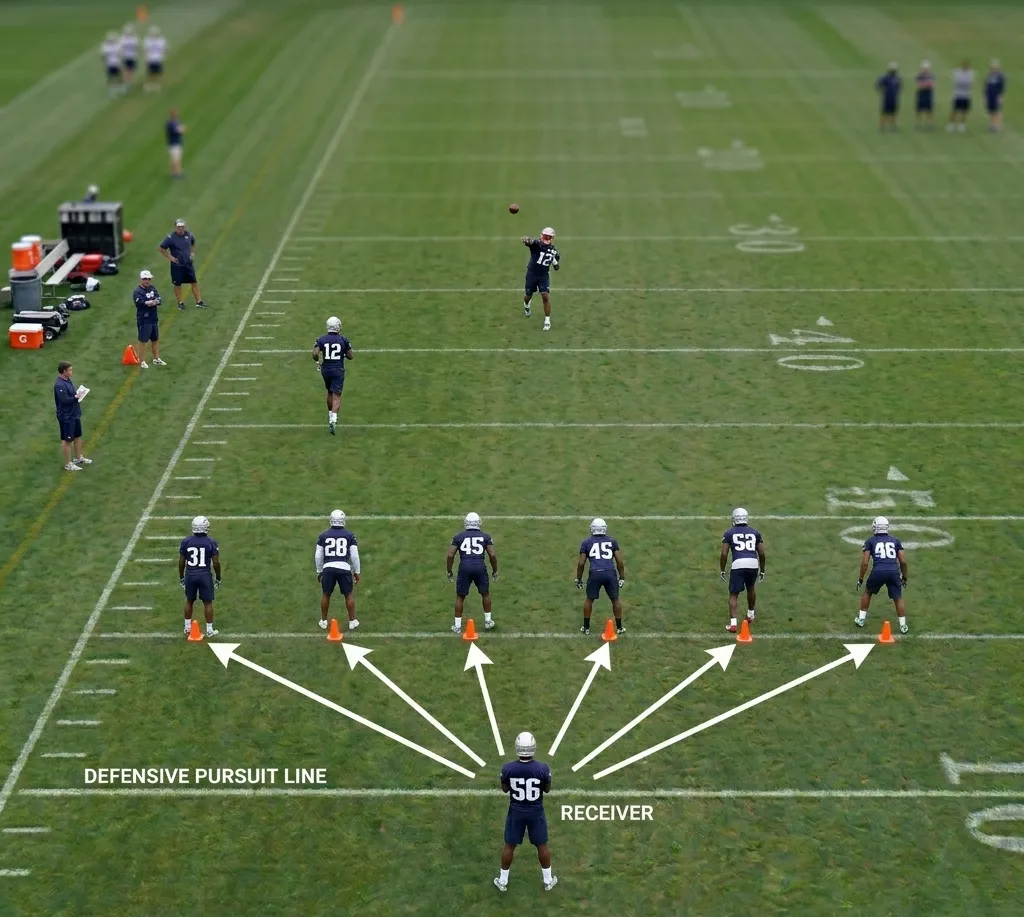
The pursuit drill teaches defenders how to run to the ball using the correct pursuit angle.
Players line up across the field. The coach points toward the ball carrier and defenders run at the correct angle.
This drill improves team defense and hustle.
Youth Football Defensive Line Drills
Defensive linemen line up on the line of scrimmage and control gaps in the defense.
Each defender must maintain gap responsibility so runners cannot find open lanes.
Start Stance and Extension
Players explode forward from their stance and extend their arms to control blockers.
Six Point Progression Drill
Players strike forward from a kneeling position to learn hand placement and body control.
Down the Line Drill
Move laterally across the line of scrimmage while staying low.
Defensive End Drills
Defensive ends stop outside runs and create a strong pass rush.
Slant Drill
in this the defender attacks a gap quickly after the snap.
Pad Punch Drill
Players strike a blocking pad using both hands.
One on One Pass Rush Drill
Attempt to rush past the offensive blocker.
Linebacker Drills
Linebackers read the play and pursue the ball carrier.
Shuffle Read Run Drill
Linebackers shuffle sideways and react when the coach signals a run.
Florida Gators Drill
Linebackers move around cones before making a tackle.
Read Containment Drill
Linebackers maintain outside containment so runners cannot reach the edge.
Defensive Back Drills
Defensive backs are part of the defensive secondary and defend passes.
Ballhawk Drill
Players track the football in the air and attempt an interception.
Backpedal and Break Drill
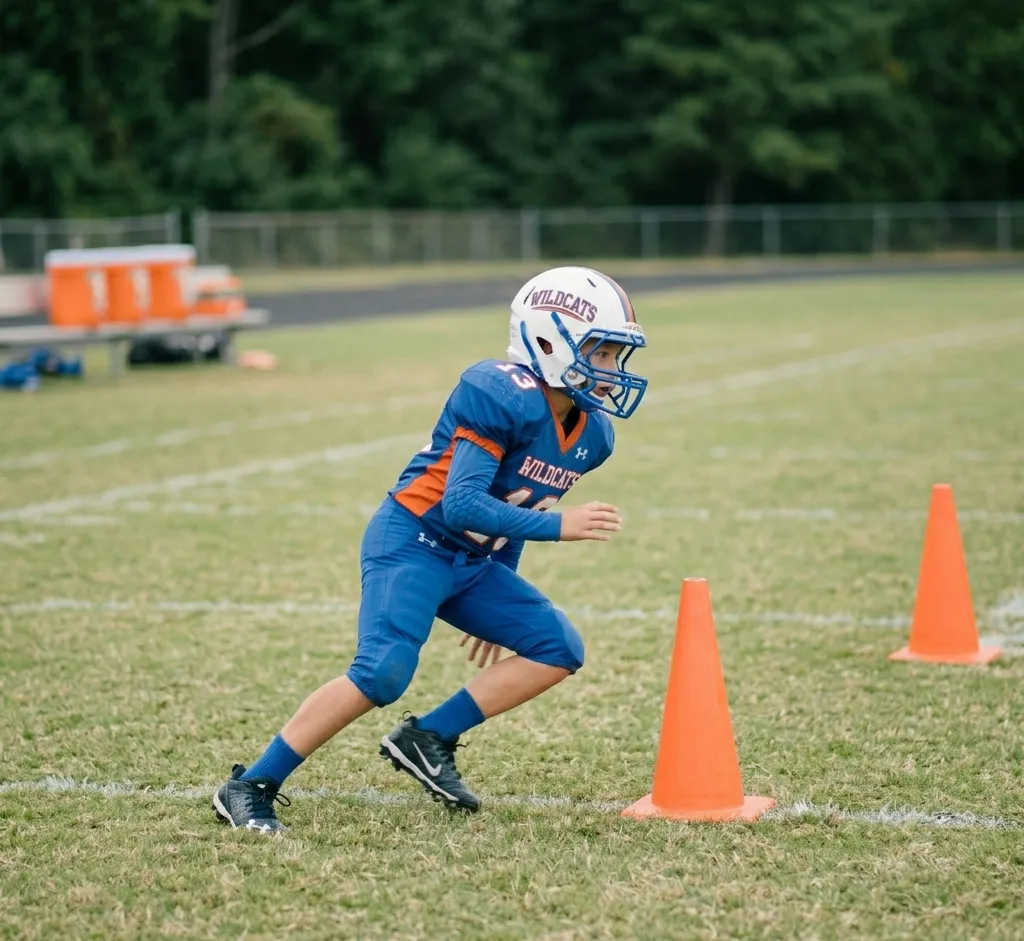
Backpedal, then quickly change direction toward the ball.
Ball Tracking Drill
Players run downfield while tracking the football.
Mirror and Match Drill
Two players face each other while the defender mirrors movement.
This drill improves footwork for man coverage.
Zone Weave Drill
Players move in a weaving pattern while maintaining zone coverage.
Quick Reaction Defense Drills
Reaction drills improve defensive response time.
W Drill
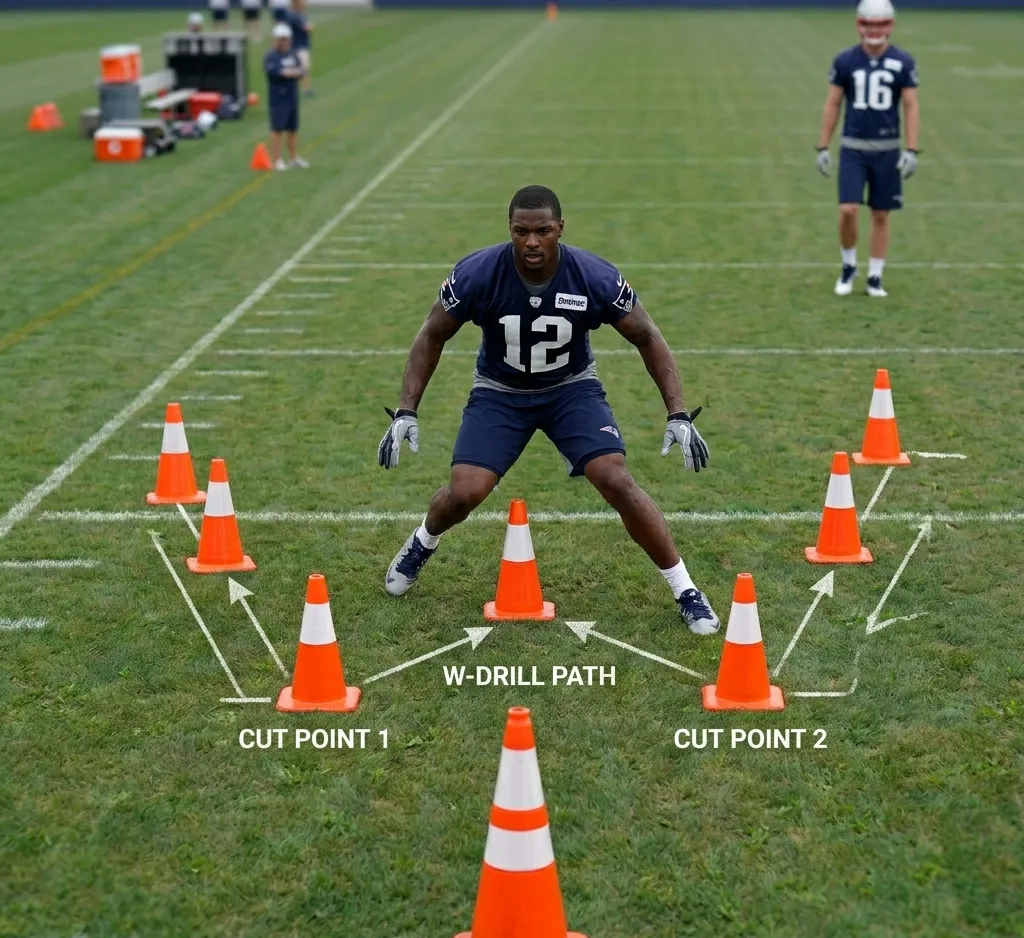
Players run between cones in a W pattern to improve agility.
Route Recognition Drill
Defenders react to receiver routes.
Tip Drill
Players catch tipped passes to create turnovers.
Takeaway Drills
Turnovers change games.
Second Man Strip
A second defender attempts to remove the ball.
Pin and Rip Drill
Defenders attack the football while tackling.
Scoop and Score Drill
Players recover a loose ball and run toward the end zone.
Defensive Alignment
Defensive Position Responsibilities
Proper defensive alignment helps players react quickly.
| Position | Main Responsibility |
|---|---|
| Defensive Line | Stop the run and create pass rush pressure. |
| Linebackers | Read the play and pursue the ball carrier. |
| Defensive Backs | Cover receivers and defend passes. |
Defensive Drill Summary
| Drill | Skill Developed | Best Position |
|---|---|---|
| Angle Tackle | Pursuit angles | All defenders |
| Hawk Roll | Safe tackling | All defenders |
| Pad Punch | Hand strength | Defensive line |
| Backpedal Break | Coverage reaction | Defensive backs |
30 Minute Defensive Practice Plan
Warm up – 5 minutes
Defensive stance drills – 5 minutes
Pursuit drill – 8 minutes
Tackling drills – 7 minutes
Coverage drills – 5 minutes
Weekly Defensive Practice Focus
| Practice Day | Training Focus |
|---|---|
| Day 1 | Tackling drills |
| Day 2 | Pursuit drills |
| Day 3 | Coverage drills |
Common Defensive Mistakes Beginners Make
- standing too tall before the snap
- poor pursuit angles
- diving instead of wrapping tackles
- leaving gap responsibility
- reacting too slowly after the snap
Conclusion
Strong defense always begins with good fundamentals and consistent practice. From coaching beginner players and watching youth teams train, one thing becomes very clear. Players improve the most when they repeat simple defensive drills that focus on tackling technique, pursuit angles, and coverage skills. When defenders practice these drills regularly, their reaction becomes faster, their tackling becomes stronger, and they make better decisions on the field. The defensive football drills in this guide help beginners build those core skills step by step, allowing players and coaches to create a more organized and confident defense.
FAQS
What are defensive football drills for beginners?
Defensive football drills for beginners are simple training exercises that help players learn tackling, positioning, pursuit angles, and coverage skills. These drills teach the basic techniques defenders need to stop runs and defend passes.
How often should beginners practice defensive football drills?
Beginners should practice defensive football drills two to three times each week. Regular practice helps players improve reaction speed, tackling technique, and overall defensive performance.
Which defensive football drills are best for tackling?
The best defensive football drills for tackling include angle tackle drills, Hawk Roll drills, and drive for five drills. These drills teach proper body position, safe contact, and how to finish tackles.
What drills improve pursuit angles in football?
Pursuit drills and angle tackle drills are the most effective for improving pursuit angles. These drills help defenders take the correct path to the ball carrier and prevent big plays.
What are the best defensive back drills for beginners?
The best defensive back drills for beginners include backpedal and break drills, mirror and match drills, and ball tracking drills. These drills improve coverage skills, footwork, and reaction.
How can beginners improve football defense skills?
Beginners can improve football defense skills by practicing tackling drills, learning gap responsibility, and working on coverage techniques. Consistent practice helps players react faster and make better decisions during games.
What is gap responsibility in football defense?
Gap responsibility means each defender is responsible for covering a specific space on the field. This helps prevent running lanes and keeps the defense organized.
What is the difference between man coverage and zone coverage?
In man coverage, a defender follows a specific player. In zone coverage, a defender covers a specific area of the field. Both techniques are important for defensive backs.
Can beginners practice defensive football drills at home?
Yes, beginners can practice some defensive football drills at home. Simple drills like footwork drills, mirror drills, and reaction drills can be done without a full team.
Why do beginner defenders miss tackles?
Beginner defenders often miss tackles because they dive at the runner, use poor technique, or take bad pursuit angles. Practicing proper tackling drills helps fix these mistakes.
